Why Desert Landscaping is Perfect for San Diego Homes
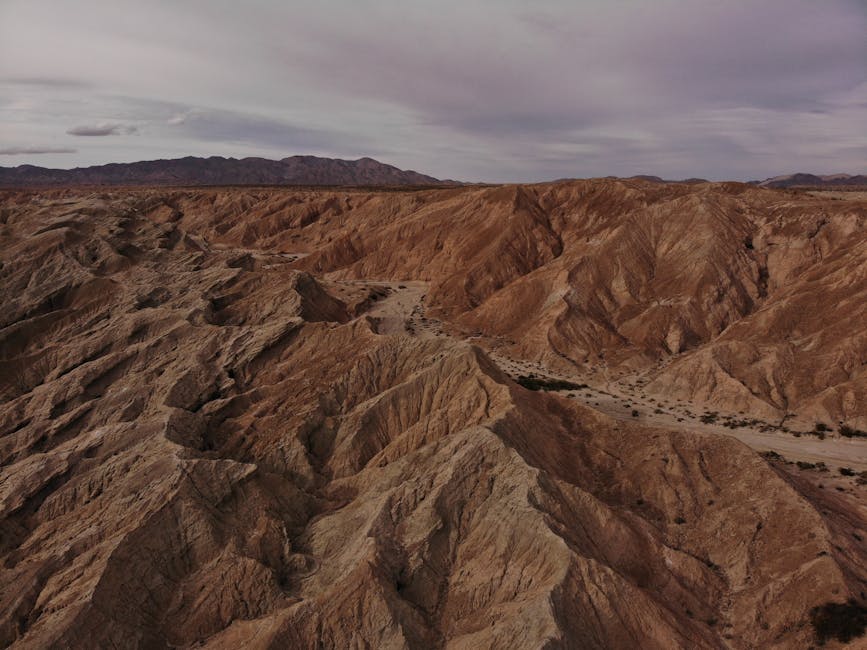
Desert landscape San Diego homeowners are creating is more than just a trend—it’s a smart response to our region’s unique climate. With only 9-12 inches of annual rainfall and increasingly strict water regulations, traditional grass lawns are giving way to stunning, sustainable outdoor spaces inspired by the natural beauty of places like Anza-Borrego Desert State Park.
Quick Answer: What You Need to Know About Desert Landscaping in San Diego
- Water Savings: Reduce household water use by up to 50-75% compared to traditional landscaping
- Low Maintenance: Less mowing, fertilizing, and pest control required
- Year-Round Beauty: Drought-tolerant plants offer color and texture in every season
- Increased Property Value: Professionally designed desert landscapes boost curb appeal and home value
- Climate-Appropriate: Thrives in San Diego’s Mediterranean-desert climate with minimal supplemental watering
The shift toward desert landscaping isn’t about sacrificing beauty for practicality. As one San Diego landscape designer with over 35 years of experience notes, these spaces can be “bold, artistic landscapes” that reflect your personality while working with our natural environment rather than against it.
Whether you’re in coastal Carlsbad or inland Ramona, desert landscaping offers a gorgeous and practical solution. You can create a modern minimalist garden with sculptural agaves or a lush Mediterranean-inspired oasis with flowering sages and weathered boulders.
The key is understanding the principles that make these landscapes thrive—and that’s exactly what this guide will show you.
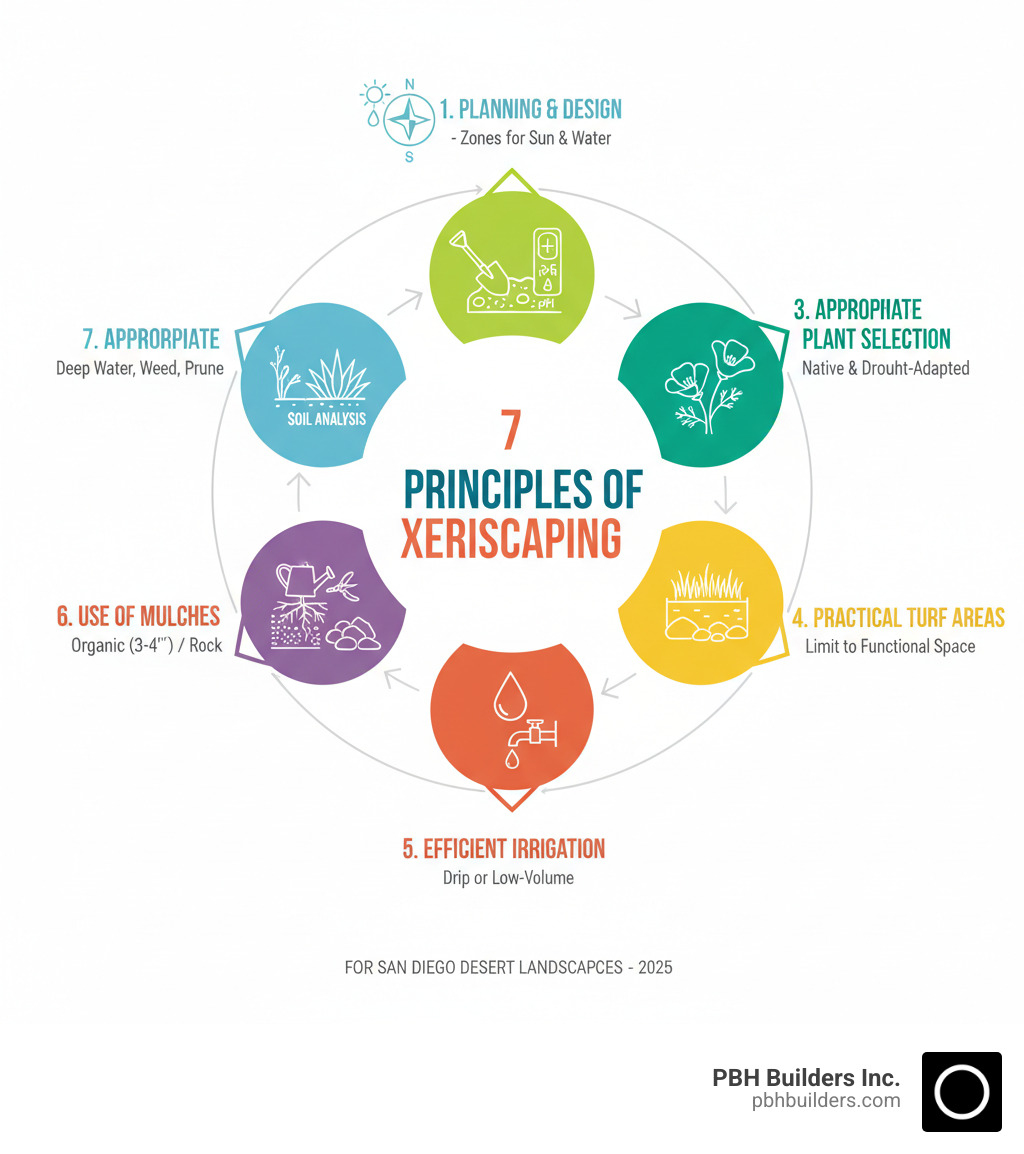
Learn more about Desert landscape San Diego:
Why Accept the Desert Vibe? The Unbeatable Benefits
Embracing a desert landscape San Diego homeowners love is a rare decision that makes life easier and better for the planet. In a region with only 9-12 inches of annual rainfall, fighting nature with water-hungry lawns no longer makes sense.
But this isn’t about sacrifice. We’re talking about changing your outdoor space into something that actually works with San Diego’s natural beauty instead of constantly battling it. The benefits touch everything from your monthly bills to the butterflies visiting your garden. And if you’re worried about spending every weekend maintaining your yard, you’ll want to check out our guide to Low Maintenance Landscaping.
Water Savings and Environmental Impact
Let’s start with your water bill. Keeping grass green through a San Diego summer is a struggle. Desert landscaping can slash household water use by 50-75% compared to traditional turf, saving hundreds or even thousands of dollars over time.
But here’s where it gets even better. When you reduce your water use, you’re conserving precious resources that our entire region depends on. San Diego’s water situation isn’t just about personal choice anymore—it’s about community responsibility. The city has implemented specific water use restrictions to help everyone do their part.
The environmental benefits ripple outward in ways you might not expect. Reducing runoff and erosion becomes automatic when you replace shallow-rooted grass with deep-rooted native plants. Those roots grab onto soil during heavy rains, keeping pollutants from washing into storm drains and eventually our beaches.
Your desert garden also becomes a haven for helping indigenous life. We’re not saying bighorn sheep will show up for dinner (though they’re thriving in Anza-Borrego), but local birds, beneficial insects, and pollinators definitely will. Native sages attract hummingbirds. Flowering succulents bring in bees. Suddenly your yard isn’t just pretty—it’s supporting local ecosystems and creating vital habitat in our urban environment.
Low Maintenance and High Appeal
Now let’s bust a myth: desert landscaping is boring. If you’re picturing a yard full of rocks and tumbleweeds, we need to talk.
Modern desert landscape San Diego designs are stunning. We’re talking about sculptural agaves that look like living art installations, vibrant aloes blooming in brilliant oranges and reds, and flowering cacti that surprise you with delicate blossoms. The textures alone—smooth succulent leaves against rough boulder surfaces, fine gravel contrasting with bold architectural plants—create visual interest that traditional lawns simply can’t match.
Here’s the practical magic: less mowing means your weekends are yours again. Less fertilizing means you’re not dumping chemicals into the soil. Fewer pests means you can skip the pesticide treatments that traditional gardens often need.
The real win? Year-round beauty. While your neighbor’s lawn turns brown during drought restrictions, your desert garden keeps its personality through every season. Some plants may go dormant in summer (that’s natural, not neglect), but others are just hitting their stride with blooms and new growth.
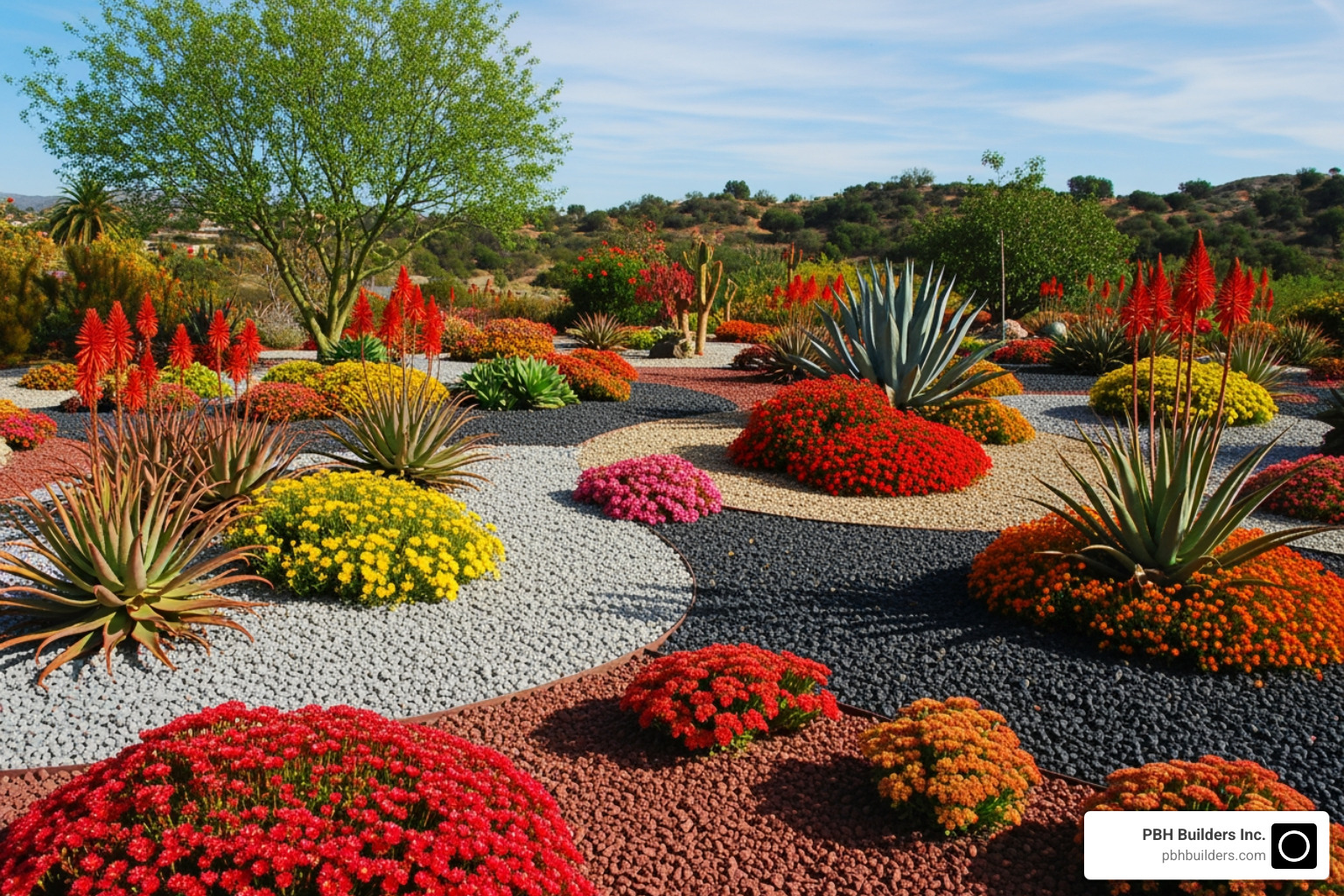
The aesthetic appeal is undeniable. A thoughtfully designed desert garden creates a sophisticated, tranquil space that feels uniquely yours. It’s the kind of landscape that makes neighbors stop and ask questions—in a good way. And when it comes time to sell? That increased property value from professional desert landscaping speaks for itself. Buyers in San Diego increasingly want outdoor spaces that are beautiful and practical, and desert landscapes deliver both.
Designing Your Oasis: Key Elements and Styles for a Desert Landscape in San Diego
Creating a beautiful Desert landscape San Diego is part art, part science, and entirely rewarding. Think of it as composing a visual symphony where every rock, plant, and pathway plays its part. The magic happens when you balance hardscaping—the permanent structural elements—with softscaping—the living, breathing plants that bring your space to life.
The secret? Understanding that these elements work together to create focal points, balance textures, and guide the eye through your outdoor space. A well-placed boulder draws attention. A winding pathway invites exploration. Contrasting plant textures—the sharp geometry of an agave against the soft movement of ornamental grass—create visual interest that keeps your landscape captivating year-round.
Key Elements: The Building Blocks of Your Desert Garden
Every stunning desert garden starts with two fundamental categories: hardscape and softscape. Getting this balance right is what separates a collection of plants from a cohesive outdoor sanctuary.
Hardscape forms the bones of your design—the permanent features that define your space. Rocks and gravel are your foundation, whether you’re using decomposed granite to mimic the natural desert floor or placing massive decorative boulders as statement pieces. These aren’t just pretty; they improve drainage and reduce water needs.
Pavers and patios create the spaces where life actually happens. A well-designed patio becomes your outdoor living room, perfect for morning coffee or evening gatherings. Retaining walls add dimension to sloped yards while creating defined planting areas. Dry river beds serve double duty—they’re gorgeous features that also channel rainwater and prevent erosion during San Diego’s occasional heavy rains.
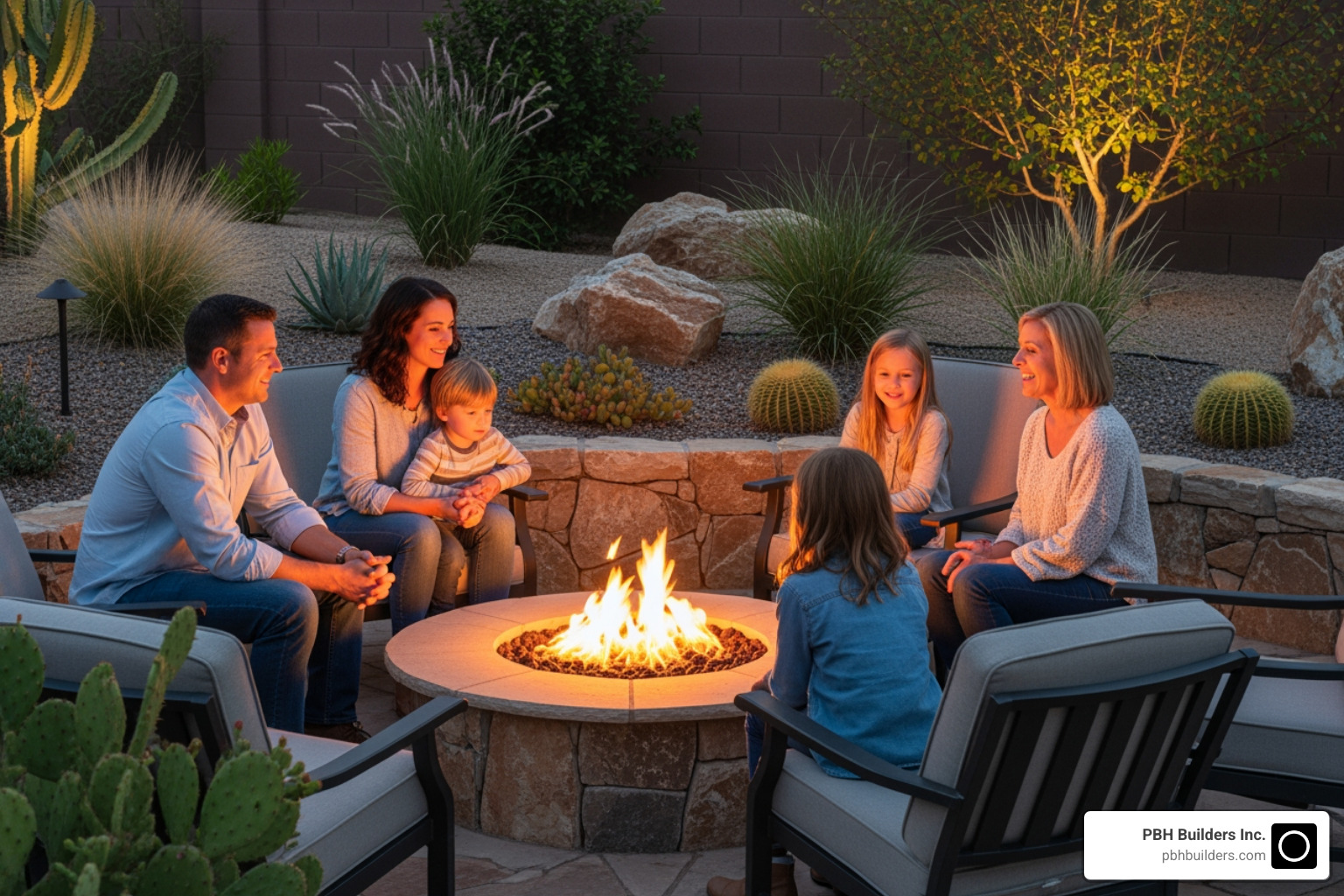
And don’t forget fire pits. They transform your yard into a space you’ll actually use on those cool San Diego evenings. For more inspiration on creating these inviting spaces, check out our guide to Outdoor Living Spaces.
Softscape brings your garden to life. Succulents and cacti are the obvious stars—available in mind-boggling varieties of shapes, sizes, and colors. From tiny echeverias to massive century plants, they offer sculptural beauty with almost zero water needs.
Native grasses add movement and a natural, wild feel. Drought-tolerant shrubs and trees provide height, shade, and structure. And accent lighting? That’s what lets you enjoy your creation after sunset, highlighting your favorite plants and making pathways safe and inviting.
Popular Design Styles
Here’s where your personality comes in. Desert landscape San Diego homeowners have incredible flexibility in choosing a style that speaks to them.
Modern desert design is all about clean lines and minimalism. Picture geometric shapes, architectural plants like columnar cacti and sculptural agaves, and materials like concrete and steel. It’s bold, contemporary, and surprisingly lush despite the sparse planting.
Mediterranean-desert fusion combines the best of both worlds. You get the water-wise benefits of desert plants mixed with the romantic warmth of Mediterranean style. Think flowering sages, olive trees, terracotta accents, and maybe a small fountain that adds sound without wasting water.
Hacienda or Southwestern style draws from Spanish and Native American traditions. Warm earth tones, rustic materials, vibrant pottery, and plants like prickly pear and yucca create an outdoor space that feels both timeless and deeply rooted in regional history.
Zen garden aesthetics apply principles of simplicity and tranquility to desert elements. Raked gravel, carefully placed rocks, and minimalist plant selections create a meditative space that’s perfect for unwinding after a long day.
California native style focuses exclusively on indigenous plants, creating a landscape perfectly adapted to local conditions while supporting native wildlife. It can be wild and naturalistic or more structured—your choice.
Xeriscaping vs. Desert Landscaping: What’s the Difference?
People often use these terms interchangeably, but understanding the difference helps you communicate better with designers and contractors.
Desert landscaping is primarily about aesthetics. You’re creating the look and feel of desert environments using desert-adapted plants, rocks, and other features. Yes, it’s inherently water-wise, but the main goal is achieving that specific visual style.
Xeriscaping is a methodology focused specifically on water conservation. Its primary goal is reducing or eliminating the need for supplemental irrigation. While xeriscaping often looks desert-like because it uses drought-tolerant plants, it’s really about the principles of water efficiency, not the aesthetic. You can xeriscape a garden that doesn’t look desert-like at all.
Think of it this way: all xeriscapes are water-wise, but not all water-wise landscapes follow strict xeriscaping principles. Desert landscaping prioritizes visual harmony and texture, while xeriscaping prioritizes water zones and maximum efficiency.
| Feature | Xeriscaping | Traditional Desert Landscaping |
|---|---|---|
| Primary Goal | Maximum water conservation | Aesthetic appeal of a desert environment |
| Plant Choice | Any drought-tolerant plant (native or non-native) | Plants typically found in desert regions |
| Irrigation | Highly efficient, minimal, often drip systems | Water-wise, but may allow for more aesthetic watering |
| Design Focus | Water zones, soil improvement, efficient use | Visual harmony, texture, form, desert ambiance |
| Maintenance | Very low, focused on water efficiency | Low, but can vary with plant choices and style |
The good news? You don’t have to choose one or the other. The best Desert landscape San Diego designs often incorporate xeriscaping principles while achieving stunning desert aesthetics. That’s where working with experienced professionals makes all the difference.
The Living Palette: Choosing and Caring for Plants in Your San Diego Desert Garden
This is where the magic happens! Choosing plants for your Desert landscape San Diego is like selecting colors for a painting—except your canvas is alive, growing, and will bring joy for years to come. The secret to success? Understanding that not all of San Diego is created equal when it comes to microclimates.
Your coastal Carlsbad garden faces different conditions than a yard in inland Ramona. Coastal areas enjoy high humidity and moderate temperatures with that famous marine layer, while inland zones get hotter and drier. Even within your own property, you’ll find microclimates—that sunny south-facing slope versus the shaded north side of your house. Grouping plants by their water needs and matching them to these specific conditions is what separates a thriving garden from a struggling one.
Popular Plants for a Desert Landscape in San Diego
San Diego’s unique climate opens up an incredible world of drought-tolerant plants. We’re talking about species that don’t just survive with minimal water—they absolutely thrive, offering stunning visual interest throughout the year.
Succulents are the rockstars of desert landscaping, and for good reason. Agaves like the dramatic Agave americana or the gentler, curving Agave attenuata create sculptural focal points. Aloes bring both form and function—Aloe vera for its medicinal properties, Aloe arborescens for its towering coral blooms. Don’t overlook the smaller beauties like Echeveria rosettes, hardy Sedum groundcovers, and cheerful Kalanchoe with their clustered flowers.
Cacti bring that authentic desert character. Prickly Pear (Opuntia species) is absolutely perfect for San Diego, offering varied flowers in yellows, oranges, and reds, plus those iconic paddle-shaped pads. While the towering Saguaro of Arizona might not be the best fit for coastal conditions, plenty of smaller columnar cacti will give you that vertical drama without the maintenance headaches.
Our native plants deserve special attention because they’ve evolved specifically for Southern California conditions. Native Sages like Cleveland Sage (Salvia clevelandii) fill your garden with fragrance and attract butterflies and hummingbirds. White Sage (Salvia apiana) brings a silvery elegance. Manzanita offers beautiful peeling bark and evergreen foliage that looks stunning year-round. Coffeeberry provides structure and berries that local birds adore. The Flannel Bush explodes with large yellow flowers each spring, while Desert Marigold keeps cheerful yellow blooms going through much of the year.
For those with hotter, drier microclimates in East County, Ocotillo makes a dramatic statement with its spiny stems that burst into fiery red blooms after rainfall.
For a more comprehensive list and detailed descriptions of what works best in your specific area, check out our guide to San Diego Drought Tolerant Plants.

Our top 5 low-water flowering plants for San Diego that deliver serious color impact:
- California Fuchsia (Epilobium canum): Those brilliant red-orange tubular flowers are hummingbird magnets from summer through fall.
- Lavender (Lavandula species): Classic fragrant purple blooms that also happen to be deer-resistant and perfect for Mediterranean-inspired designs.
- Bougainvillea (Bougainvillea spectabilis): Pure drama with explosions of vibrant papery bracts in pink, purple, orange, or red.
- Red Yucca (Hesperaloe parviflora): Tall spikes of coral-pink tubular flowers add vertical interest without the sharp leaves of true yuccas.
- Gazania (Gazania rigens): Bright daisy-like flowers in warm yellows, oranges, and reds that close at night and open to greet the sun.
Installation and Maintenance Best Practices
Here’s something many people don’t realize: the “difficult” reputation some drought-tolerant plants have earned isn’t because the plants are finicky—it’s because we’ve been treating them like traditional garden plants when they need something completely different.
Soil preparation is where most mistakes happen. Traditional gardening wisdom says to add lots of rich organic matter and compost. But here’s the thing—our native and desert-adapted plants evolved in nutrient-poor soils. Dump in rich organic amendments and you’re setting yourself up for unstable, leggy growth and an explosion of weeds. Instead, we focus laser-like on drainage. In San Diego’s coastal areas where sub-soils tend to be acidic (often pH 4.5-6.5), we might use a gypsum and iron-rich amendment mixture to buffer the pH and improve drainage without adding excess nutrients.
Drainage cannot be overstated. We always set plants slightly high—about one-half to three-fourths of an inch above grade. This simple technique ensures water drains away from the plant crown rather than pooling around it, preventing the root rot that kills more drought-tolerant plants than actual drought ever does.
Mulching requires a thoughtful approach based on your plant’s origins. True desert species—your cacti and desert agaves—do best with inorganic mulches like gravel or decorative rock. These materials reflect heat, suppress weeds, and allow the soil surface to dry quickly, mimicking natural desert conditions. For scrubland species like sages and manzanitas, we use three to four inches of shredded redwood mulch, sometimes placing six- to twelve-inch rocks directly on root balls to create beneficial microclimates.
Now let’s talk about irrigation systems, because this is where we see the most well-intentioned failures. Many people assume drip irrigation is always the answer for water-wise plants. But here’s the catch—drip emitters can create localized zones of hyper-saturation that lead to anaerobic soil conditions, actually shortening the life of drought-adapted natives. We often prefer low-volume overhead spray systems that mimic natural rainfall patterns, distributing water more evenly across the root zone. The key is watering deeply but infrequently—encouraging deep root growth during cooler months and backing off to light, occasional watering during summer when many natives naturally go dormant.
Weed control is absolutely critical for success. Exotic weeds don’t just compete for water and nutrients—they actively disrupt the symbiotic relationships between native plants and beneficial soil organisms. We ensure thorough site preparation, removing all non-native plants before installation, and apply granular pre-emergent herbicides to give your new plants a fighting chance from day one.
For a deeper understanding of how native plants have adapted to San Diego’s unique conditions and what that means for your garden, we recommend reading about native plant adaptations. Understanding these principles will help you see your garden not just as decoration, but as a living ecosystem that works with nature rather than against it.
Bringing Your Vision to Life: Costs, Challenges, and Finding the Right Pro
Starting on a Desert landscape San Diego project is an investment in your home, your lifestyle, and our environment. We know you’re probably wondering about the bottom line and how to make this change happen without the headache. The good news? With the right planning and the right team, creating your desert oasis can be surprisingly straightforward. For a broader understanding of San Diego landscape trends and planning, our San Diego Landscape Design Guide 2025 offers valuable insights.
Typical Costs for a Desert Landscape in San Diego
Let’s talk numbers. We get it—this is often the first question on everyone’s mind. While every project is unique (just like every homeowner’s vision), understanding the typical cost breakdown helps you plan realistically.
Design fees are where it all begins. A professional landscape designer brings expertise that saves you money in the long run by avoiding costly mistakes. You might pay hourly rates for consultations or flat fees for comprehensive master plans. Think of this as the blueprint for your dream—it’s worth the investment.
Material costs vary widely based on your choices. Succulents and cacti range from budget-friendly to collector’s items. Hardscape materials like decorative boulders, pavers, and decomposed granite come at different price points. The beauty of desert landscaping is that you can create stunning effects at various budget levels—a few statement agaves and well-placed rocks can be just as dramatic as elaborate installations.
Installation labor covers the skilled hands that bring your design to life. This includes site preparation (which is crucial for proper drainage), planting, hardscape construction, irrigation system installation, and those finishing touches that make everything pop.
Here’s where desert landscaping really shines: long-term maintenance costs are dramatically lower than traditional lawns. You’re looking at water bills that can drop by 50-75%, no more weekend mowing marathons, and minimal fertilizing. Over the years, these savings add up significantly.
And here’s a bonus: many local water agencies offer rebates or incentives for converting turf to drought-tolerant landscaping. We can help you explore these opportunities to offset your initial investment. It’s like getting paid to do something beautiful and sustainable.
Yes, a high-quality xeriscape might sometimes cost more upfront than rolling out some sod. But when you factor in those ongoing water bills, maintenance costs, and the increased property value? The math works in your favor.
How to Find a Reputable Landscape Designer
Finding the right professional can feel overwhelming, but it doesn’t have to be. You’re looking for someone who truly understands San Diego’s unique climate and can turn your vision into reality.
Certifications matter. Look for designers who hold credentials from organizations like the International Association of Professional Landscape Designers (APLD). The Certified Landscape Designer classification represents the highest level of professionalism in the field. It tells you this person is serious about their craft and committed to excellence. For example, designers with 35+ years of experience and these credentials bring invaluable knowledge about what actually works in our specific environment.
A designer’s portfolio is their story. Spend time reviewing their past projects. Do you see desert landscapes that make your heart skip a beat? Do their designs align with your aesthetic vision? Look for projects that showcase drought-tolerant plants and desert-inspired elements. This visual evidence speaks louder than any sales pitch.
Experience in San Diego specifically is gold. Our coastal climate with its unique humidity levels, fog patterns, and temperature ranges requires specialized knowledge. A designer who’s worked here for decades knows which plants thrive in Carlsbad versus Ramona, understands our soil conditions, and has seen how different materials weather in our environment.
Client reviews and testimonials give you the real scoop. What do past clients say about their communication style? Did projects stay on budget and on schedule? Were there any surprises? Online reviews offer honest insights you won’t get from a brochure.
Initial consultations are your chance to test the waters. Most reputable designers offer these to discuss your vision and assess whether you’re a good fit. Pay attention to how well they listen. Do they ask thoughtful questions? Do they seem genuinely excited about your project? Trust your gut here—you’ll be working closely with this person.
At PBH Builders Inc., we pride ourselves on professional landscape design and hardscaping services that create captivating, harmonious outdoor environments custom to each client’s unique vision. We emphasize creativity, expertise, and meticulous attention to detail to improve both property value and lifestyle. For more insights on choosing the best professionals for your project, check out our guide on the Best Landscape Designers San Diego County.
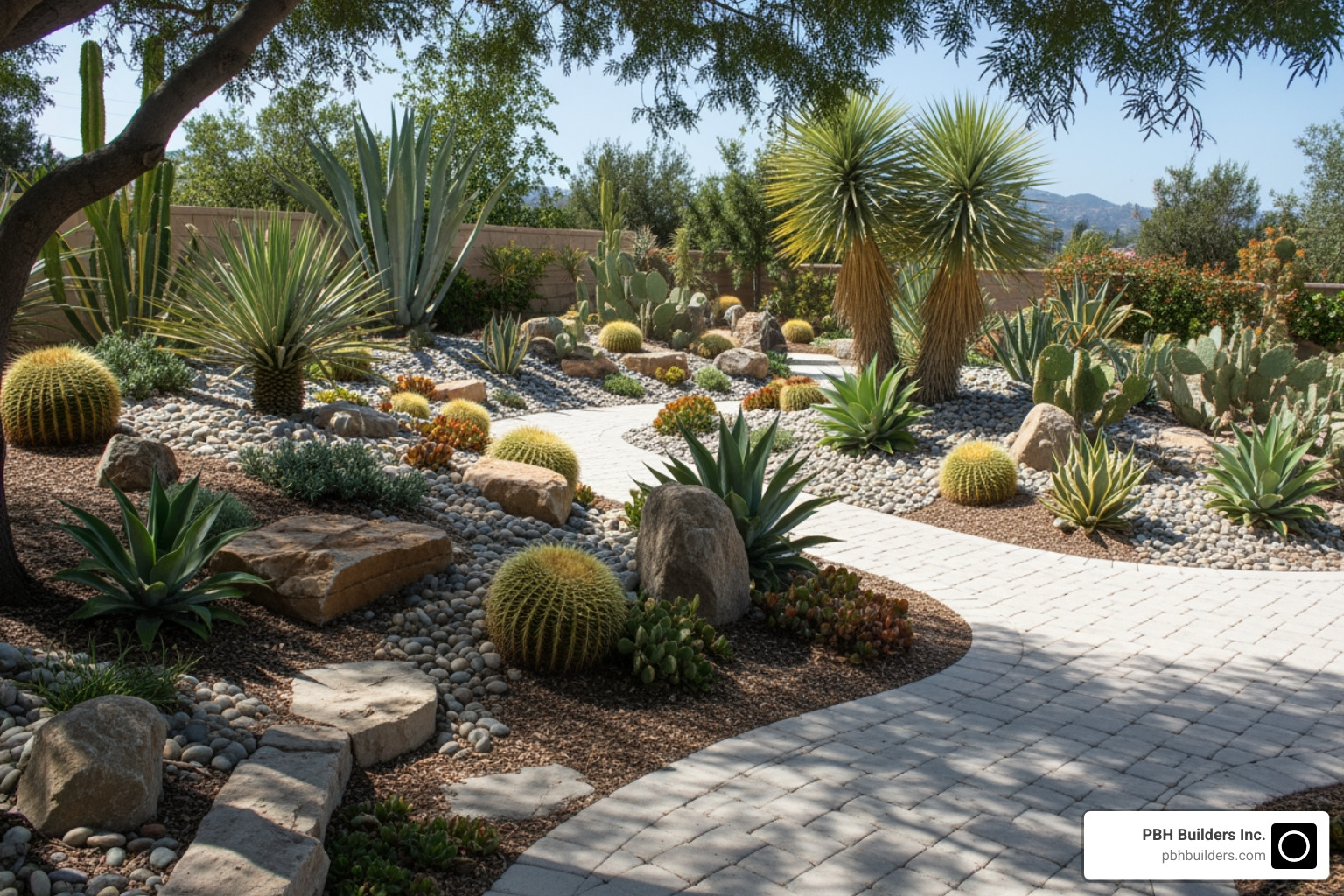
Conclusion: Your Sustainable San Diego Sanctuary Awaits
Choosing a Desert landscape San Diego isn’t just about following the latest trend—it’s about creating something meaningful. Throughout this guide, we’ve explored how these water-wise gardens can slash your household water use by up to 75%, dramatically reduce maintenance headaches, and create outdoor spaces that are genuinely beautiful year-round. These aren’t compromises; they’re upgrades.
Your desert garden becomes more than just a yard. It’s a personal oasis where sculptural agaves catch the morning light, where flowering sages attract hummingbirds, and where you can gather around a fire pit on cool evenings without worrying about your next water bill. It’s a space that works with San Diego’s natural climate instead of fighting against it.
The environmental impact matters too. Every Desert landscape San Diego homeowners create helps conserve our region’s precious water resources, supports native wildlife, and reduces harmful runoff. When you choose drought-tolerant plants and smart irrigation, you’re not just changing your yard—you’re contributing to the health of our entire San Diego ecosystem.
At PBH Builders Inc., we’ve spent years perfecting the art of desert landscaping. We understand the subtle differences between coastal microclimates and inland conditions. We know which plants will thrive in your specific location and how to design spaces that reflect your personality while honoring our environment. Our team brings creativity, expertise, and genuine care to every project, whether you’re dreaming of a modern minimalist garden or a lush Mediterranean-desert fusion.
We believe your outdoor space should be a source of joy, not stress. That’s why we focus on creating landscapes that are as practical as they are beautiful—spaces where you can relax, entertain, and reconnect with nature without the endless maintenance traditional lawns demand.
Your sustainable San Diego sanctuary is waiting. It’s time to trade that thirsty, high-maintenance lawn for a vibrant, low-water paradise that truly belongs in our desert-inspired climate.