Why Finding the Right Retaining Wall Contractor Matters
A retaining wall contractor is a specialized professional who designs and builds structures to hold back soil and prevent erosion on sloped properties. Here’s what you need to know:
Key Services:
- Structural design – Engineering walls to withstand soil pressure
- Material selection – Choosing appropriate materials like concrete, stone, or blocks
- Proper installation – Ensuring correct drainage, footings, and building code compliance
- Permits and inspections – Handling all regulatory requirements
When to Hire:
- Slopes threaten your foundation
- You have soil erosion problems
- You want to create usable flat space on a hillside
- You’re facing water management issues
In San Diego, unique terrain and climate conditions make choosing the right contractor especially important. Poor contractor selection leads to costly failures, as improper construction—particularly inadequate drainage—is the primary cause of wall failure. A failing wall can cost thousands more to repair than building it correctly the first time.
Whether you’re dealing with a steep backyard or erosion concerns, or you want to create terraced garden spaces, the right contractor transforms challenging slopes into beautiful, functional outdoor areas that boost your property value.
Understanding the Purpose and Benefits of Retaining Walls
Retaining walls are powerful tools for changing sloped and uneven landscapes. Their primary purpose is to hold back soil, counteracting the force of gravity (known as lateral earth pressure) to provide stability and protection for your property.
Beyond simple soil retention, retaining walls offer a range of benefits that improve your property’s safety, functionality, and beauty.
Structural Safety and Erosion Control
In San Diego’s hilly terrain, retaining walls are crucial for preventing soil erosion and potential landslides. They stabilize the earth around your home’s foundation, guarding against shifting ground that can cause costly structural damage. By managing soil, they act as a robust shield, providing invaluable peace of mind.
Water Management
During heavy rains, retaining walls help manage water runoff. They can slow and redirect the flow of water, preventing topsoil from washing away and protecting your landscape from erosion. This controlled flow also keeps excess water away from your home’s foundation, preventing pooling and potential water damage.
Improved Functionality and Aesthetics
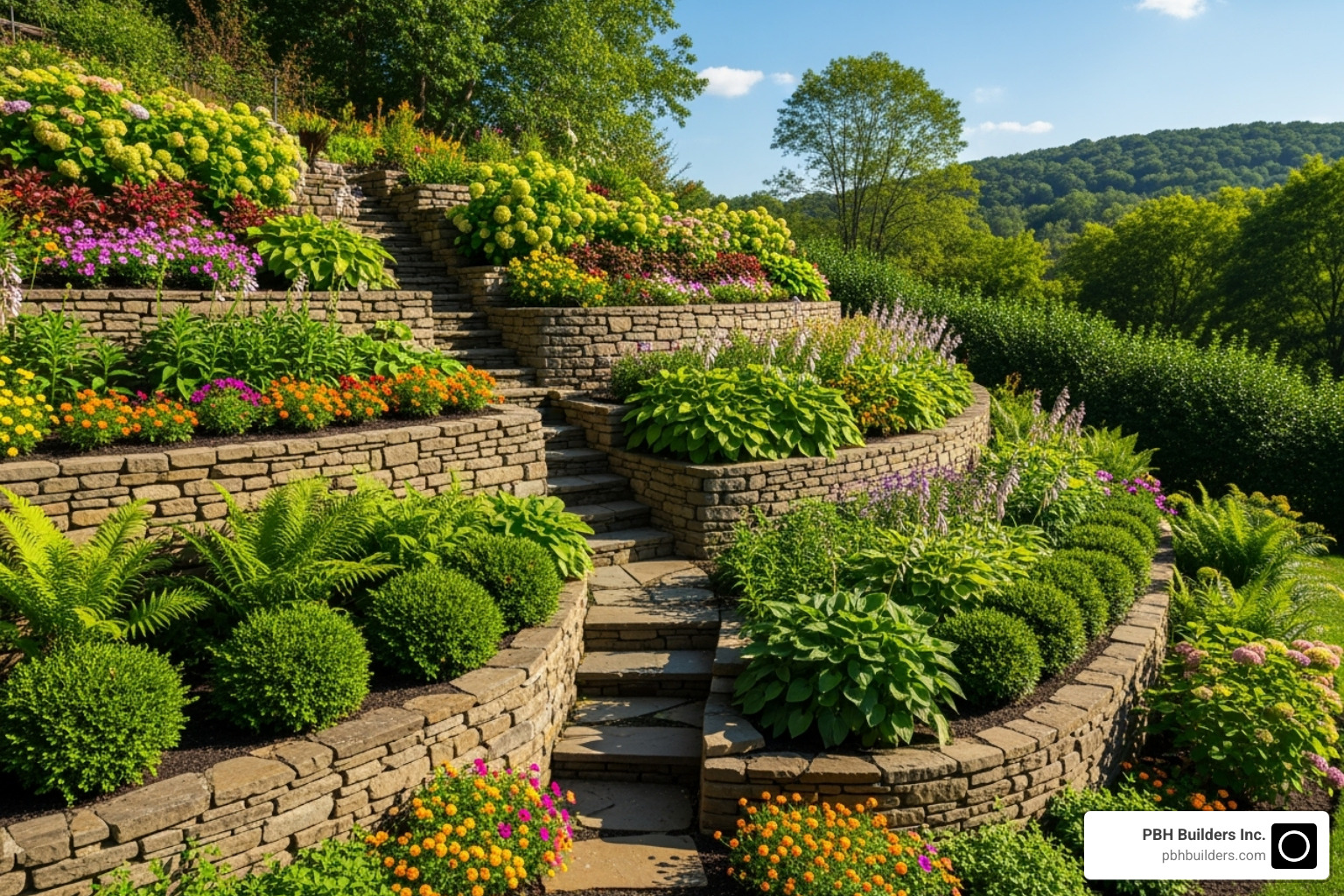
Retaining walls are an ingenious solution for creating usable flat land on sloped properties. Using a technique called terracing, an unusable incline can be transformed into multiple functional levels for garden beds, patios, or lawns. This not only expands your outdoor living space but also adds architectural interest and visual depth to your landscape, significantly increasing your property’s value and curb appeal.
We pride ourselves on crafting retaining walls that are not only structurally sound but also improve the aesthetics and functionality of your property. For more detailed insights into our services, explore our More info about Retaining Walls Services.
Common Types and Materials for Retaining Walls
When we talk about retaining walls, we’re not just talking about a single structure. There’s a fascinating variety of types and materials, each suited for different needs, aesthetics, and engineering challenges. Understanding these options is the first step in envisioning the perfect solution for your property. For a broad overview, you can check out General information on retaining walls.
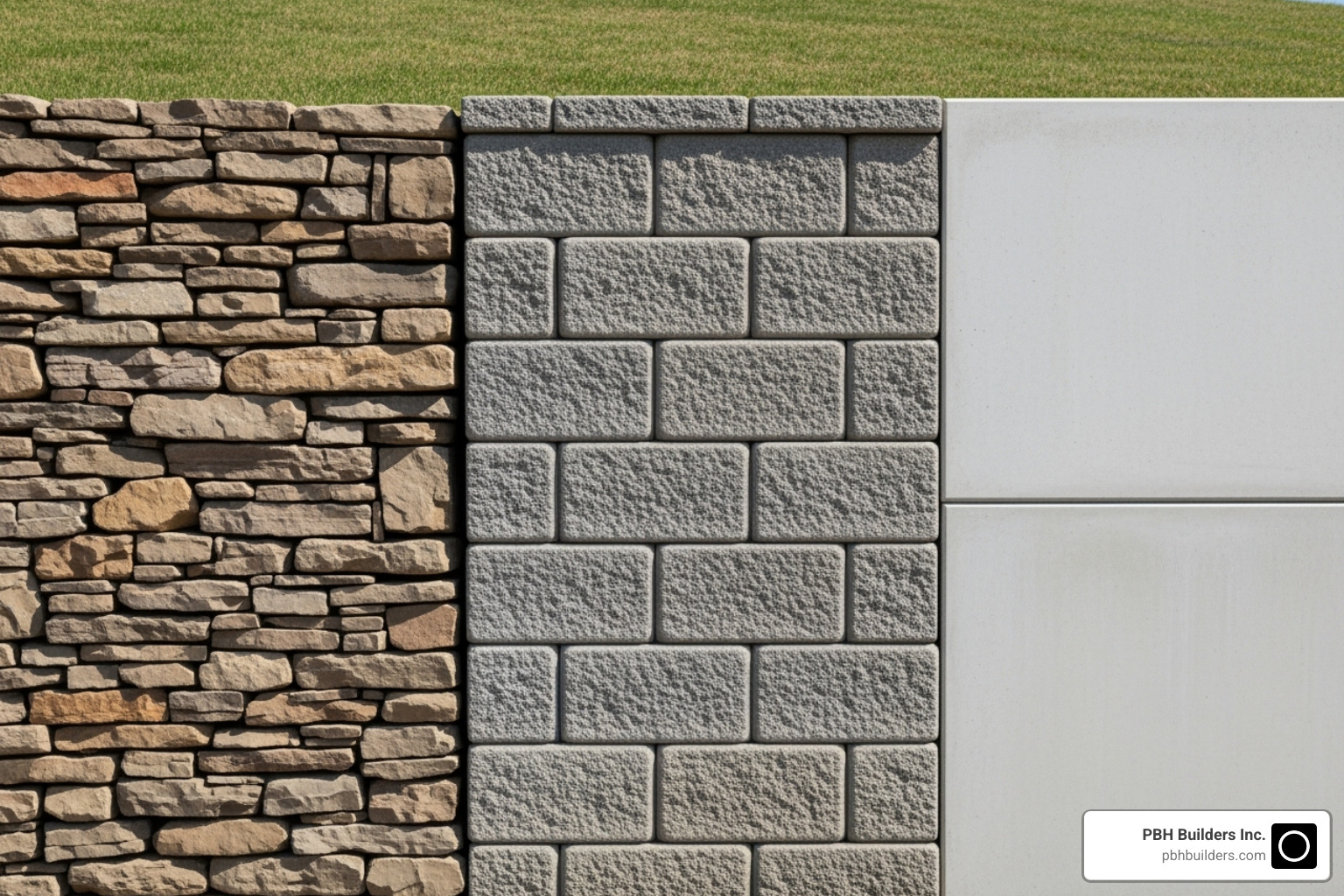
Common types include:
- Gravity Walls: Rely on their sheer weight from materials like large stones or concrete blocks to hold back soil. Best for shorter walls, typically up to 4 feet.
- Cantilever Walls: Use an ‘L’ or ‘T’ shaped foundation made of reinforced concrete. The weight of the earth on the base slab provides leverage, making them suitable for moderate to high walls.
- Segmental Retaining Walls (SRWs): A popular choice, these walls use interlocking concrete blocks that are dry-stacked. Their design, often combined with geogrid reinforcement, provides excellent stability and design flexibility.
- Anchored Walls: Used for very high walls or extreme soil pressure, these are supported by cables or rods driven into the earth behind the wall and anchored for additional stability.
- Sheet Piling Walls: Built by driving thin, interlocking sheets of steel, vinyl, or wood into the ground. Best for soft soils and tight spaces.
Comparing Popular Retaining Wall Materials
The choice of material significantly impacts a retaining wall’s durability, aesthetics, and overall cost. When we design and build retaining walls, we consider not just the structural requirements but also how the material will complement your property and lifestyle.
Here’s a comparison of some of the most popular materials:
| Feature | Natural Stone | Interlocking Concrete Blocks (SRWs) | Poured Concrete |
|---|---|---|---|
| Durability | Excellent, very long-lasting, resistant to elements | Excellent, engineered for longevity, weather-resistant | Excellent, superior strength, highly durable |
| Cost | Higher due to material and labor (skilled masonry) | Moderate, varies by block type and complexity | Moderate to High, depending on reinforcement/finish |
| Aesthetics | Luxurious, rustic, natural, timeless appeal | Versatile, wide range of colors, textures, shapes | Modern, clean lines, customizable with textures/patterns |
| Maintenance | Low, occasional cleaning, re-pointing mortar (if used) | Very Low, occasional cleaning, easy replacement of damaged blocks | Low, occasional cleaning, crack repair if needed |
| Advantages | Blends seamlessly with natural landscapes, unique character | Modular, easy installation, flexible design, good for DIY (though professional recommended for structural) | Strongest, most flexible in design, can be engineered for extreme loads |
| Disadvantages | Can be difficult to install, heavier, less uniform | Can look less “natural” than stone, requires proper compaction/drainage | Can be more costly for decorative finishes, requires formwork |
To see how these materials come to life, we invite you to explore some of our completed projects:
Key Design and Longevity Considerations
A retaining wall’s longevity depends on its design and construction, especially how it manages water.
- Proper Drainage: This is the most critical factor in preventing wall failure. Hydrostatic pressure from trapped water can destroy a wall. Essential drainage components include weep holes, gravel backfill, and geotextile fabric to prevent clogging.
- Solid Foundation: Walls need a stable, compacted gravel base. Taller walls (often over 3 feet) typically require a concrete footing with geogrid reinforcement to prevent shifting and ensure long-term stability.
- Building Codes and Permits: Many municipalities, including those in San Diego County, require permits for walls over a certain height (often 3-4 feet). A professional contractor will handle all local regulations and permitting to ensure your wall is compliant and safe. The expected lifespan of a wall is directly tied to these factors, with professionally built walls lasting 50-100 years.
How to Hire the Right Retaining Wall Contractor
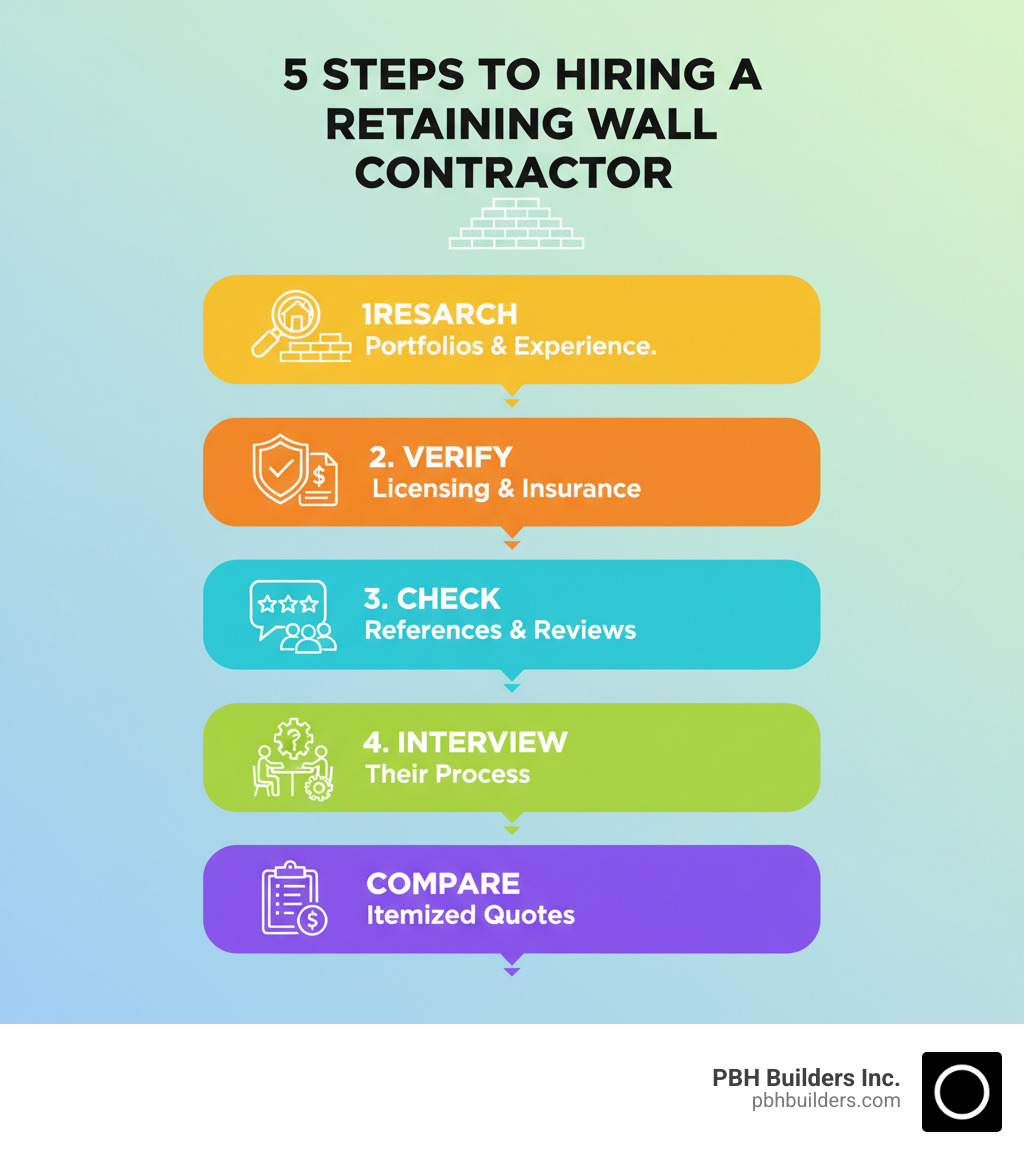
Hiring a retaining wall contractor is a major decision. A strategic vetting process ensures you find a qualified professional who delivers lasting results. We recommend a 5-step hiring method to find the right fit for your project.
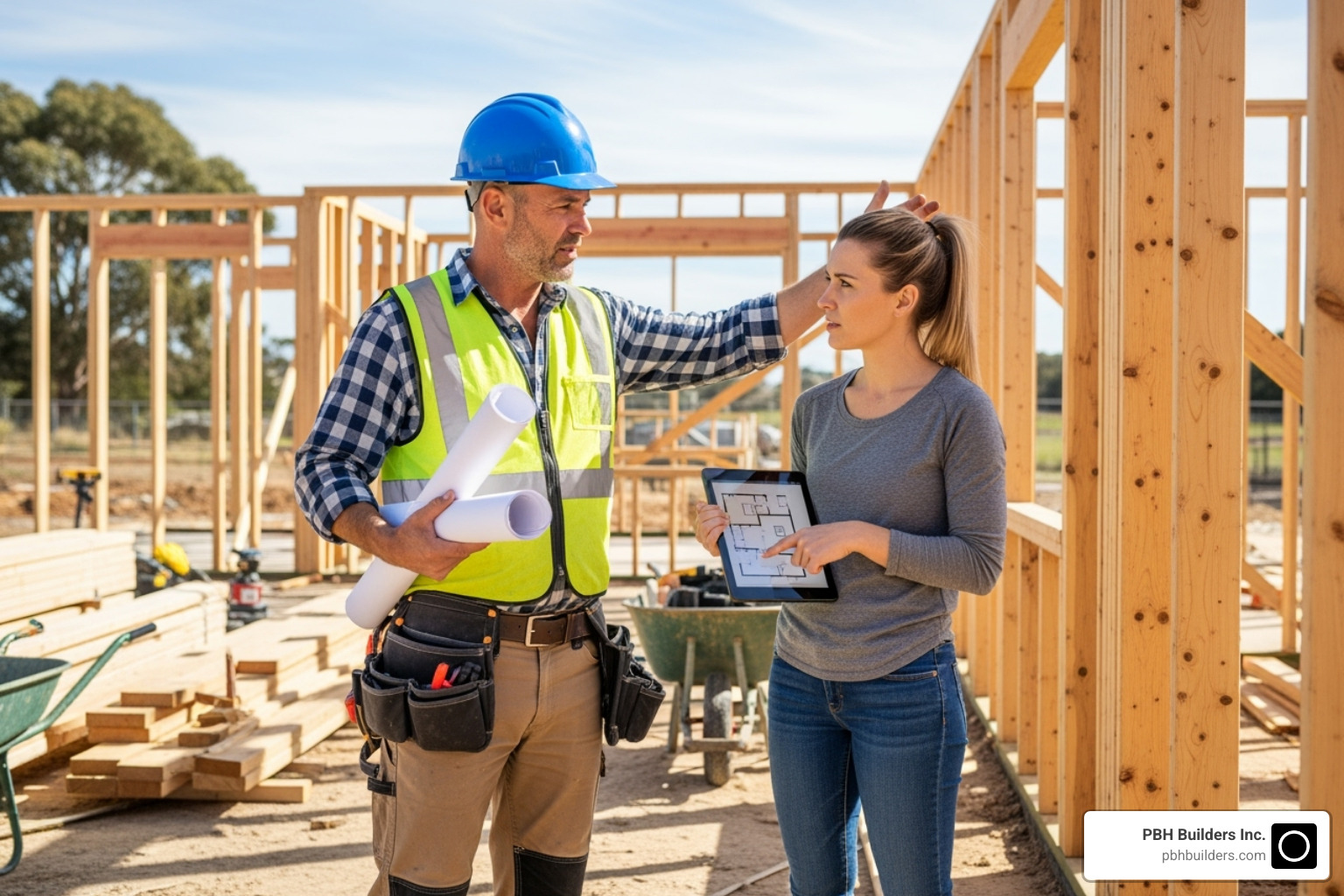
This due diligence is essential, as a poorly built wall can lead to costly repairs. Let’s walk through the methods to help you make an informed decision.
Method 1: Research Portfolios and Local Experience
Start by diving into a contractor’s past work. Review their website portfolio, looking for projects similar to yours in scope and style. Pay attention to the complexity of the landscapes they’ve handled. Local expertise is crucial in San Diego, as a contractor familiar with our unique terrain, soil conditions, and building codes can design more effective, long-lasting solutions. We encourage you to View our Retaining Wall Projects.
Method 2: Verify Credentials, Licensing, and Insurance
This step is non-negotiable. Before hiring, verify that your potential retaining wall contractor is properly licensed and insured.
- Licensing: A contractor’s license proves they meet state and local standards for competence and financial responsibility.
- Liability Insurance: This protects your property from damage during construction.
- Workers’ Compensation: This protects you from liability if a worker is injured on your property.
Ask for proof of their license and insurance certificates, and verify them with the issuing authorities. A reputable contractor will readily provide this information, giving you peace of mind.
Method 3: Ask for Referrals and Read Online Reviews
Leverage the experiences of others to vet your contractor. Ask friends, family, or neighbors for recommendations. Then, read independent online reviews on platforms like Google, Yelp, and Houzz. Look for consistent patterns in feedback—whether positive praise for professionalism and quality or recurring complaints about missed deadlines or poor workmanship. A contractor’s response to negative reviews can also reveal their professionalism. Community discussions, like this A Reddit discussion on finding contractors, can also offer valuable insights.
Method 4: Conduct Detailed Interviews with Potential Contractors
Once you have a shortlist, conduct interviews to assess their expertise and communication style. This is your chance to see if they are a good fit for your vision.
Key questions to ask a retaining wall contractor:
- Can you describe your experience with projects similar to mine?
- What is your typical construction process from start to finish?
- Where do you source your materials?
- Do you offer a warranty on your work?
- How will we communicate during the project?
- What is the estimated timeline?
- Will you handle all necessary permits?
- What specific drainage solutions do you propose for my property?
Pay attention to their transparency and willingness to answer your questions thoroughly. A good partner will listen to your goals and offer collaborative solutions.
Method 5: Obtain and Compare Itemized Quotes
This final step is crucial for understanding the true scope and cost of your project. Always ask for a detailed, itemized quote from each contractor, not just a lump-sum price. A proper quote should break down costs for:
- Materials
- Labor
- Equipment
- Permit fees
- Excavation and site preparation
- Drainage system components
- Waste disposal
An itemized quote allows you to compare bids accurately and ensures there are no hidden costs. When comparing, don’t automatically choose the lowest bid. A significantly lower price might indicate shortcuts in materials, labor, or licensing. Look for the best overall value, balancing cost with the contractor’s experience, reputation, and the comprehensiveness of their proposal.
Recognizing Wall Failure and When to Call for Repairs
Even the most robust retaining walls can show signs of distress over time, especially if the initial construction was flawed or if unforeseen environmental factors come into play. Recognizing these warning signs early is crucial to prevent minor issues from escalating into major, costly failures.
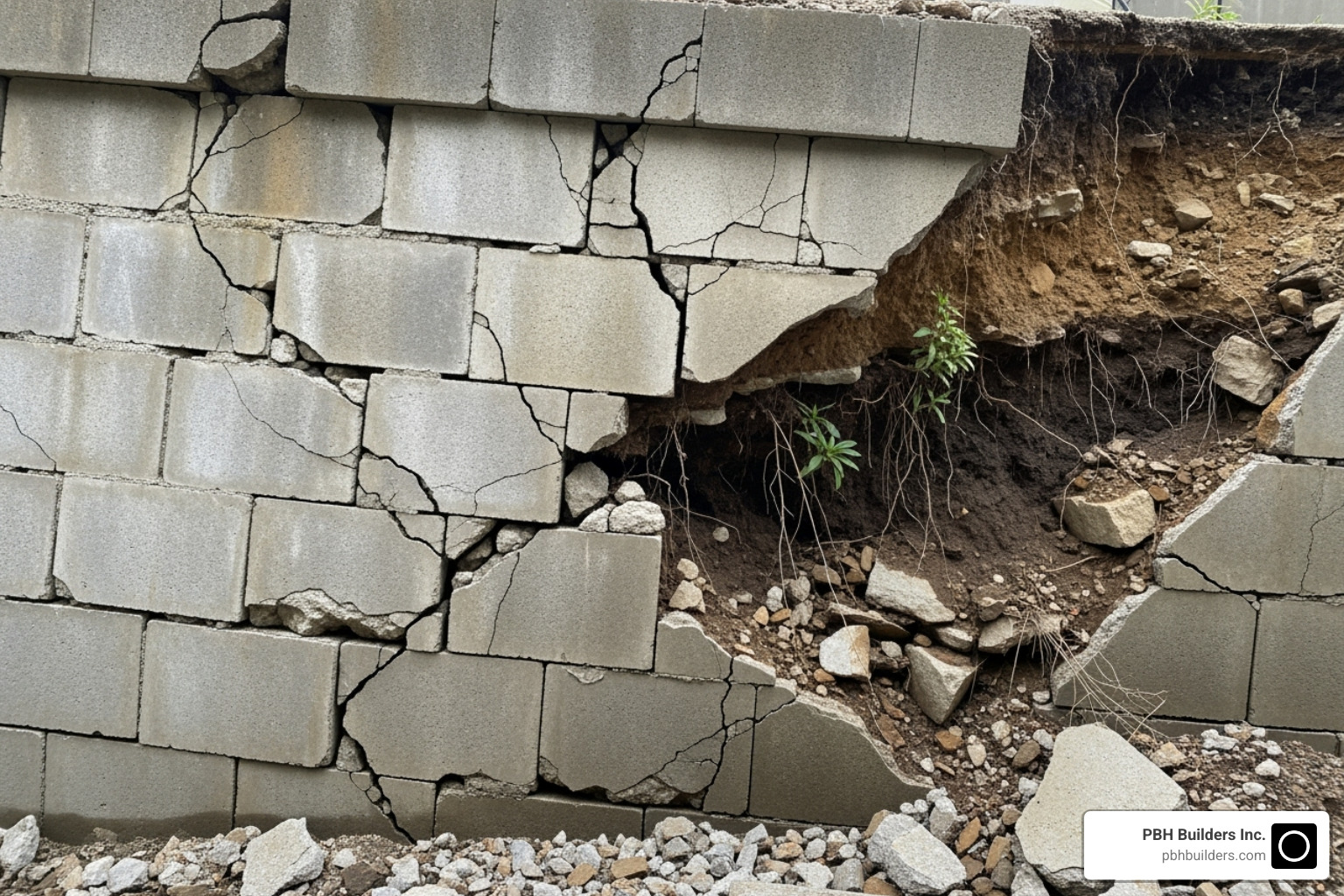
Here are the common indicators that your retaining wall needs professional attention:
- Tilting or Leaning: A wall that is no longer vertical indicates excessive pressure or a failing foundation.
- Cracking: Large, spreading cracks (especially horizontal ones) suggest significant structural stress.
- Bulging: A section of the wall bowing outwards is a clear sign of immense pressure from soil or water and a precursor to collapse.
- Water Issues: Pooling water at the base or water seeping through the wall (not from weep holes) points to a failed drainage system—the primary cause of wall failure.
- Separation: Gaps forming between the wall and adjacent structures (patios, walkways) mean the wall is shifting.
Ignoring these signs is a safety hazard. This Video on how NOT to build a retaining wall shows what can go wrong.
What to Expect from a Professional Retaining Wall Contractor for Repairs
When you notice any of these warning signs, it’s time to call in a professional retaining wall contractor specializing in repairs. Here’s what you should expect from their process:
- Thorough Assessment: The contractor will conduct an on-site inspection to assess the wall, soil, and drainage system to find the root cause of the failure.
- Proposed Solutions: Based on the assessment, they will propose a solution. This often involves correcting drainage issues by adding drains or improving backfill. It may also require structural reinforcement like tie-backs or underpinning the foundation.
- Repair vs. Replacement: The contractor will advise whether a repair is cost-effective or if a full replacement is the safer, more economical long-term solution. They will provide a detailed proposal outlining the recommended action, materials, timeline, and cost.
We are adept at handling both new installations and comprehensive repairs, ensuring your retaining wall functions perfectly and looks fantastic. We recently completed a Details on a retaining wall installation project that showcases our commitment to quality and attention to detail.
Frequently Asked Questions about Retaining Wall Contractors
We encounter many questions from homeowners and property managers about retaining walls and the process of hiring a retaining wall contractor. Here are some of the most common inquiries we receive:
How much does it cost to hire a retaining wall contractor?
The cost varies, but typically ranges from $25 to $50 per square foot. Most complete projects cost between $2,000 and $7,000. Key factors influencing the final price include:
- Material Choice: Natural stone is generally more expensive than interlocking blocks or poured concrete.
- Wall Size: Height and length directly impact material and labor costs.
- Site Complexity: Difficult site access or poor soil conditions can increase labor and equipment costs.
- Design: Complex designs, curves, or tiers require more time and skill.
- Permits and Engineering: Fees for permits and structural engineering plans will be part of the total cost.
How long does a professionally built retaining wall last?
The lifespan of a professionally built retaining wall is largely dependent on the materials used, the quality of installation, and the effectiveness of its drainage system.
- Lifespan by Material:
- Natural Stone and Poured Concrete: With proper construction, these walls can last 50-100 years or more.
- Interlocking Concrete Blocks (SRWs): These engineered systems typically last 50-75 years.
Proper installation by a professional retaining wall contractor is the most significant factor in a wall’s longevity. A wall without adequate drainage can fail in just a few years, regardless of the material.
Do I need a permit to build a retaining wall?
Quite possibly, yes. Most municipalities, including those in San Diego, require a permit for retaining walls over a certain height, often 3 or 4 feet. However, even shorter walls may need a permit if they are near property lines or support a significant load (like a driveway).
For taller or more complex walls, a licensed structural engineer’s approval may be required. A reputable retaining wall contractor will be familiar with local codes, advise you on permit requirements, and manage the application process to ensure your project is fully compliant.
Conclusion
Choosing the right retaining wall contractor is a critical decision that impacts your property’s safety, function, and beauty for decades. As we’ve explored, these structures do more than hold back soil; they manage water, prevent erosion, create usable land, and improve your outdoor living experience.
By researching portfolios, verifying credentials, checking reviews, conducting interviews, and comparing itemized quotes, you can make an informed choice. The investment in a qualified professional pays dividends in the long-term value and structural integrity of your retaining wall.
At PBH Builders Inc., we understand the unique challenges of San Diego’s landscapes. Our expertise in landscape design and hardscaping means we don’t just build walls; we craft harmonious outdoor environments custom to your vision. We focus on quality workmanship to improve your property value and lifestyle.
For a durable, beautiful, and expertly installed retaining wall in San Diego, trust an experienced team. Contact us for your retaining wall project today, and let’s start building something incredible together!