Quick Answer
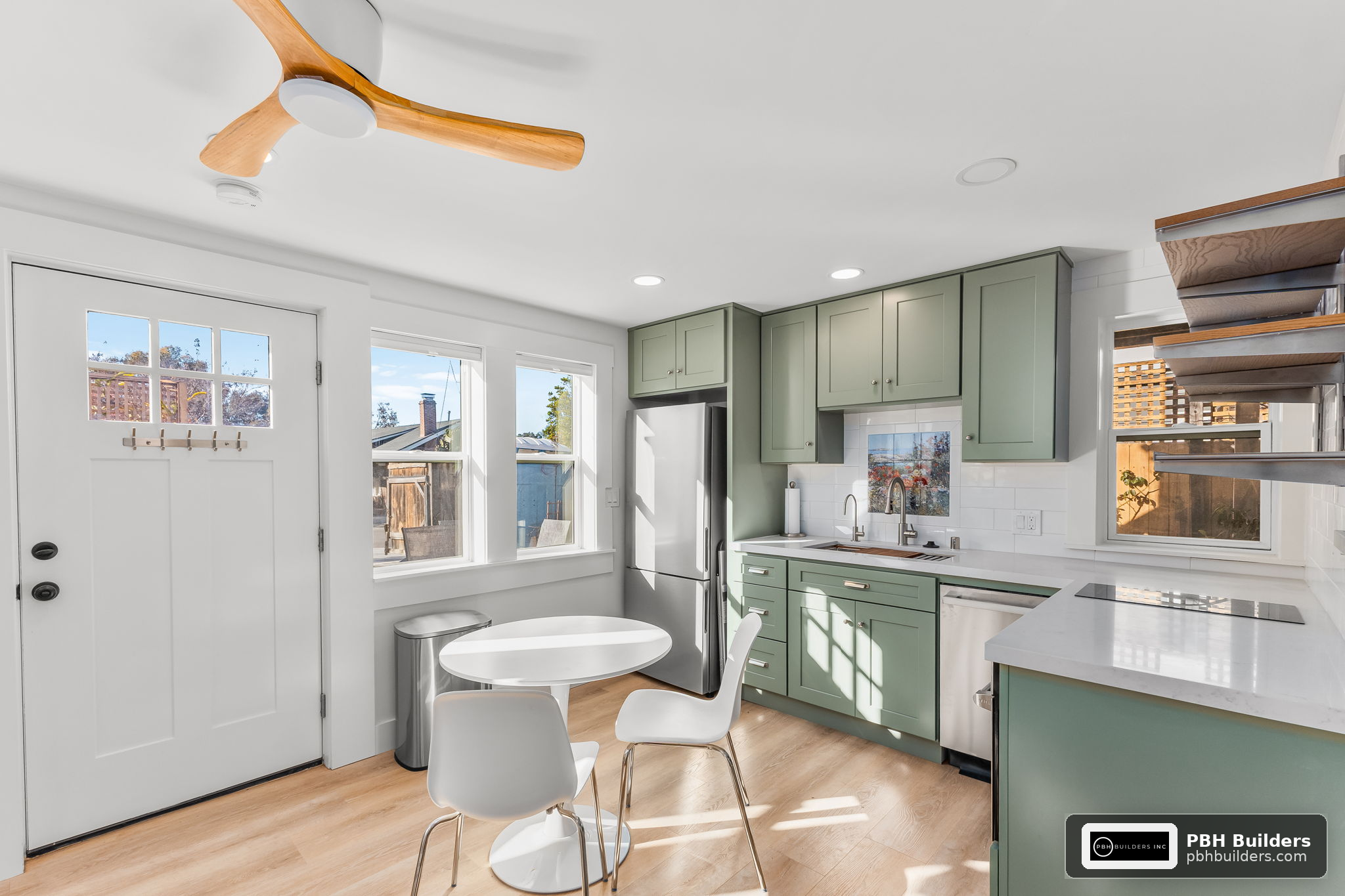
A minor or midrange kitchen remodel typically returns 80% to 113% of its cost at resale, while major or upscale gut renovations recoup closer to 36% to 65%. The highest percentage ROI comes from cosmetic and modest updates like refacing cabinets, swapping countertops, and improving lighting, not from full-scale luxury overhauls.
Here’s a number that surprises most homeowners: spend $160,000+ on a luxury kitchen overhaul and you might recover less than half of it at resale, while a $28,000 cabinet refresh can return more than 100% of its cost. If you’ve been assuming bigger always means better when it comes to kitchen remodel ROI and resale value, the 2026 data says otherwise. The math behind which kitchen upgrades actually pay off is counterintuitive, and getting it wrong can mean leaving thousands of dollars on the table at closing.
This guide breaks down exactly what kitchen remodel ROI means, when a remodel makes financial sense before a sale, what each tier of project actually involves, and the specific factors that swing your return from 36% to over 100%.
What Is Kitchen Remodel ROI?
Kitchen remodel ROI (return on investment) measures how much of your renovation spending comes back to you in added home value when you sell. It’s expressed as a percentage: a $30,000 remodel that adds $27,000 in resale value has a 90% ROI. According to Zillow’s research on kitchen remodel returns, buyers consistently pay more for updated kitchens, but the percentage they’re willing to pay shrinks as the project scope and cost climb.
This is the central paradox of kitchen remodel ROI and resale value: the more lavish the renovation, the smaller the share of your investment you typically get back. A $10,000 refresh and a $150,000 gut renovation both raise your home’s value, but the cheaper project often returns a far higher percentage of what you spent.
When Do You Need a Kitchen Remodel for Resale Value?
Not every kitchen needs a remodel before listing. The decision usually comes down to three questions: how dated is the kitchen compared to neighborhood comps, how long do you plan to stay, and are you selling soon or living with the upgrade for years first?
- Selling within 12 months: A minor cosmetic refresh (paint, hardware, counters, lighting) usually makes the most financial sense since it recoups the highest percentage.
- Selling in 2 to 5 years: A midrange remodel can make sense if you’ll also enjoy the upgraded space, since you capture both lifestyle value and resale value.
- Not selling soon: Prioritize function and durability over resale math. Appliances, layout, and storage matter more than what a future buyer might pay.
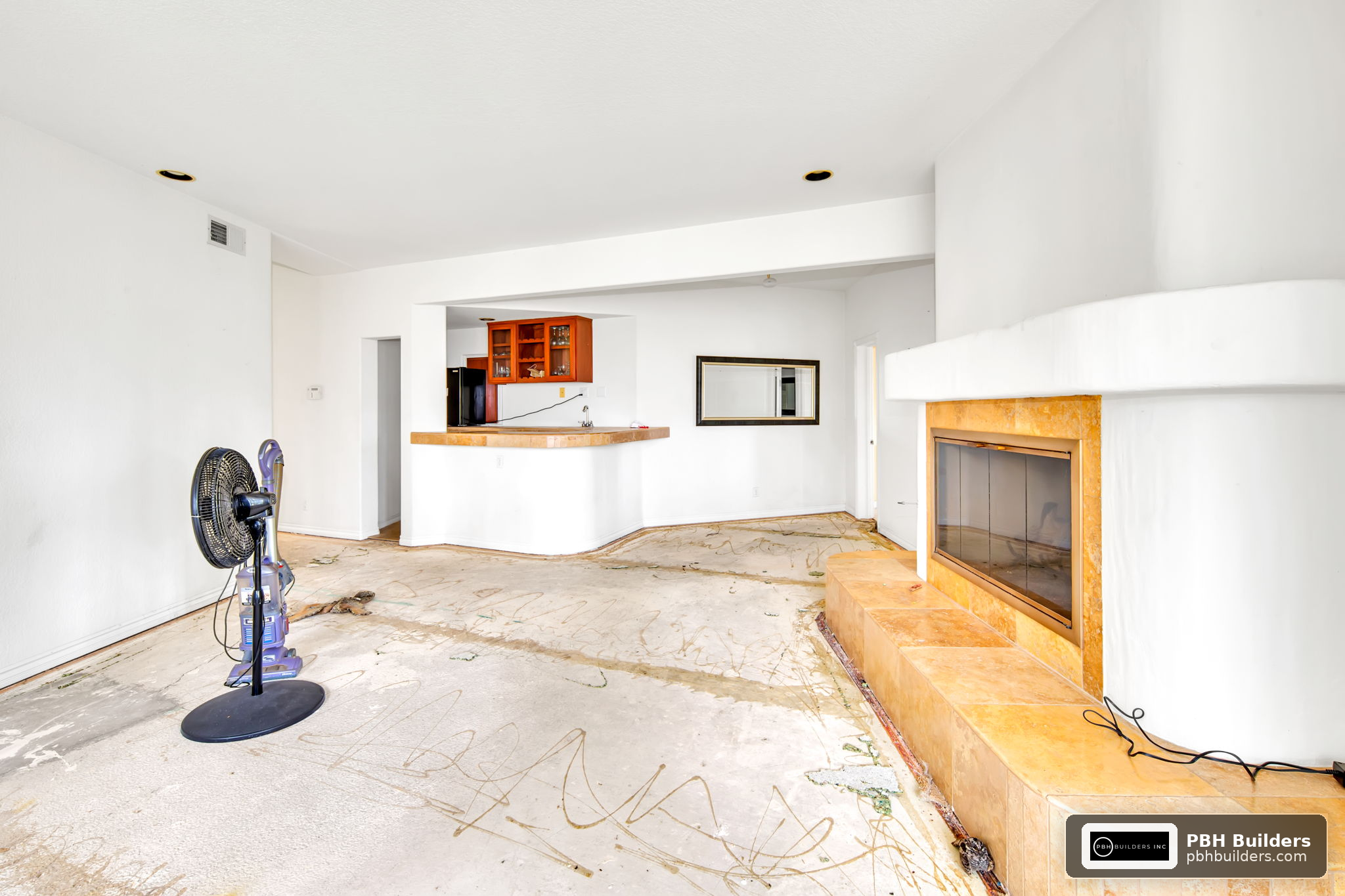
- Kitchen is visibly outdated: According to the National Association of Realtors remodeling impact report, an outdated kitchen is one of the top reasons buyers negotiate down or walk away entirely.
If your kitchen has 1990s cabinets, laminate counters, or dated appliances, even a modest update can shift how buyers perceive the entire home, not just the kitchen itself.
What Does the Work Involve at Each Remodel Tier?
Kitchen remodels generally fall into three tiers, and what’s included in each tier directly drives both the cost and the expected return.
Cosmetic Refresh
- Cabinet refacing or repainting instead of replacement
- New hardware and fixtures
- Updated countertops
- New backsplash
- Improved or layered lighting
- Energy-efficient appliance swaps
- Fresh paint and minor flooring repair
Major Midrange Remodel
- Full cabinet replacement
- New countertops and backsplash throughout
- Complete appliance package
- New flooring
- Electrical and lighting upgrades
- Plumbing relocation if the layout changes
- Wall removal to open the floor plan
- Permitting and inspection
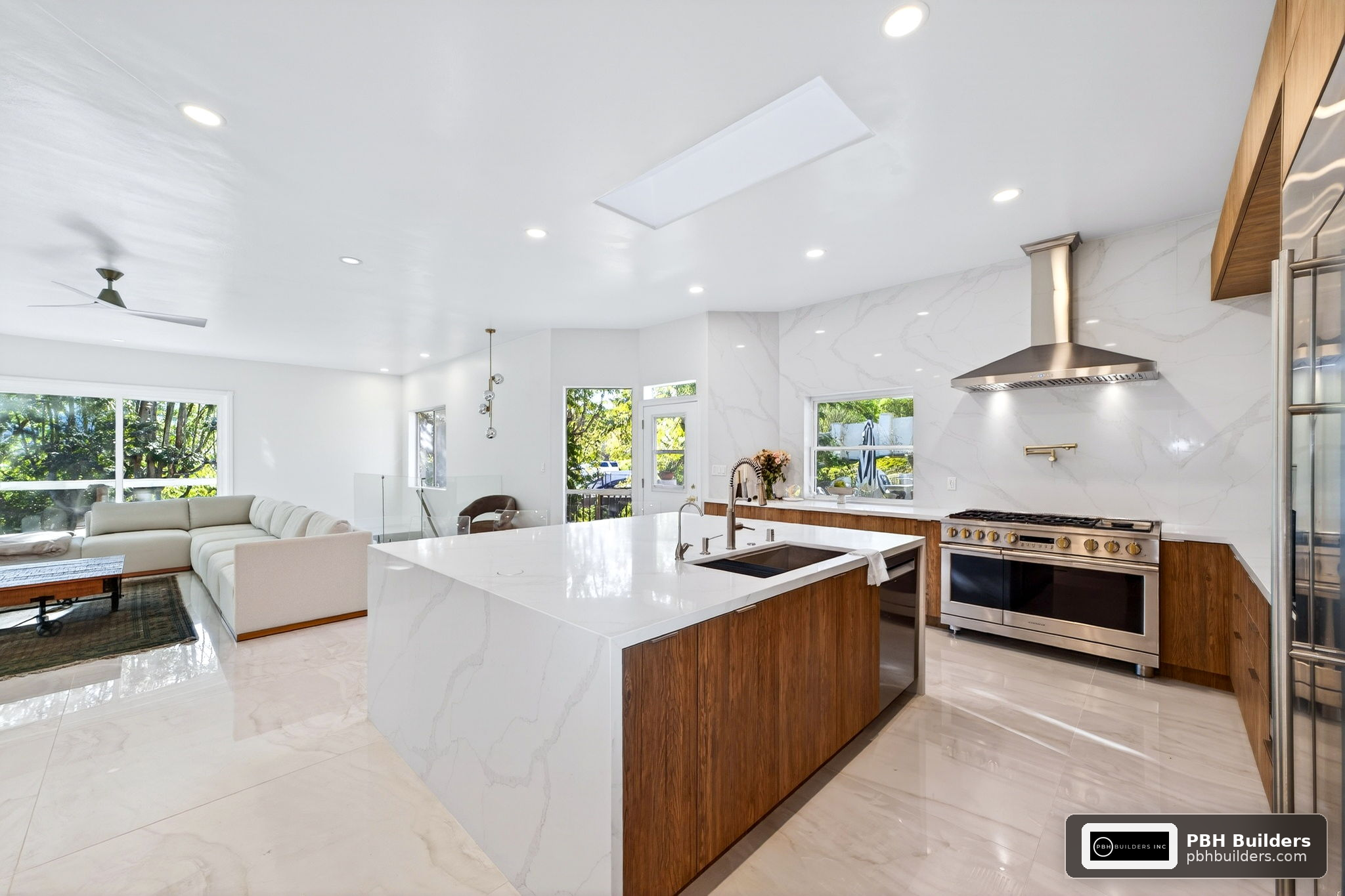
Upscale/Luxury Remodel
- Custom or semi-custom cabinetry
- Professional-grade appliances and built-in refrigeration
- Natural stone slab countertops
- Specialty ventilation systems
- Premium fixtures and designer lighting
- Structural changes and complex millwork
Each tier up the ladder adds cost faster than it adds resale value, which is exactly why the percentage return declines even as the dollar value added increases.
What Does the 2026 Data Actually Show?
Multiple 2026 industry reports converge on the same pattern: smaller projects return a higher percentage, even though larger projects add more raw dollars. Here’s how the numbers break down.
| Project Scope | Typical 2026 Cost | Value Added at Resale | Cost Recouped |
|---|---|---|---|
| Cosmetic refresh | $10,000 to $25,000 | Varies widely | Often 70% to 100%+ |
| Minor/midrange remodel | $28,000 to $30,000 | $22,000 to $32,000 | 80% to 113% |
| Major midrange remodel | $75,000 to $83,000 | $42,000 to $49,000 | 51% to 65% |
| Major upscale remodel | $100,000 to $160,000+ | $70,000 to $78,000 | 36% to 50% |
One widely cited 2026 summary of Cost vs. Value data reports a $28,458 minor kitchen remodel adding $32,141 in resale value, a 112.9% recoup rate, according to Kitchen Cabinet Kings’ 2026 ROI report. A separate estimate places a comparable minor remodel’s return closer to 80%, while a $77,000 major midrange project returns roughly 63%. The spread exists because “minor,” “major,” and “upscale” aren’t standardized terms across reporting sources, so always compare scope, not just labels.
A $82,793 major midrange kitchen remodel reportedly adds $42,130 in resale value, equivalent to 50.9% recouped, a figure that aligns closely with broader national renovation data referenced by HomeLight’s kitchen remodel cost analysis. The consistent theme: construction costs climb faster than buyer willingness to pay once a project crosses into full-gut territory.
ROI Range: 75% to 113%
Best For: Sellers listing within 12 months
ROI Range: 51% to 65%
Best For: Owners staying 2+ years
ROI Range: 36% to 50%
Best For: Long-term living, not resale math
What Affects the Price and the Return?
Pricing varies based on your specific project, and several factors swing both cost and ROI more than homeowners expect:
- Scope of structural change: Moving plumbing, removing load-bearing walls, or reconfiguring the layout adds cost without proportionally adding resale value.
- Material tier: Quartz versus natural stone, stock versus custom cabinetry, and mid-tier versus professional-grade appliances all shift the budget significantly.
- Local market expectations: Buyers in different neighborhoods and price points expect different kitchen standards. Overbuilding for your block can suppress ROI even on quality work.
- Labor and permitting in your region: Regional labor rates and permit requirements affect total cost, and The Mortgage Reports’ kitchen remodel cost breakdown notes these can vary by tens of thousands of dollars between markets.
- Timing relative to sale: A remodel finished right before listing captures resale value better than one aging for years before the home sells.
- Quality of execution: A poorly finished “budget” remodel can actually underperform resale expectations, while a well-executed modest remodel often outperforms larger projects. Craftsmanship, not just scope, drives buyer perception.
Because of this many-variable equation, we always recommend a custom quote and walkthrough rather than relying on national averages. Your home’s specific layout, local comps, and target buyer profile all change the math.
How Can You Maximize ROI on Your Kitchen Remodel?
If resale value is the priority, the data points toward a clear strategy: focus spending on visible, high-impact updates rather than structural overhauls.
- Start with cabinets. Refacing or repainting existing cabinet boxes rather than full replacement preserves budget for other upgrades, per guidance from USA Cabinet Store’s remodeling idea guide.
- Upgrade countertops strategically. Quartz and engineered stone often deliver buyer appeal close to natural stone at a lower cost basis.
- Don’t skip lighting. Layered lighting (task, ambient, accent) is one of the most cost-effective perception upgrades in any kitchen.
- Replace, don’t relocate, appliances where possible. Keeping existing plumbing and electrical locations avoids expensive structural work.
- Match the kitchen to the neighborhood. According to Opendoor’s guide to increasing home value, overbuilding beyond neighborhood norms rarely pays back dollar for dollar.
- Get a written scope before demo begins. Clear specifications prevent budget creep that erodes your eventual ROI.
For homeowners weighing a remodel purely for resale, a targeted, well-crafted minor remodel consistently outperforms a sprawling luxury renovation on a percentage basis, even though the luxury version produces a nicer kitchen in absolute terms.
Key Takeaways
- Minor and midrange kitchen remodels typically return 80% to 113% of cost at resale, outperforming major projects on a percentage basis.
- Major midrange remodels (roughly $75,000 to $83,000) recoup approximately 51% to 65%, adding substantial dollar value but a lower percentage return.
- Upscale luxury kitchens often return only 36% to 50% of their cost, even though they add the most absolute dollars to home value.
- Cabinet refacing, new countertops, updated lighting, and fresh hardware are the highest-leverage updates for resale-focused remodels.
- Overbuilding beyond neighborhood norms suppresses ROI regardless of craftsmanship quality.
- Timing matters: remodels completed shortly before listing capture more resale value than older updates.
- Always request a custom quote, since scope, materials, region, and home condition all shift the real-world numbers significantly.
People Also Ask
Does a kitchen remodel really increase home value?
Yes, a kitchen remodel reliably increases home value, with most 2026 data showing minor remodels adding $22,000 to $32,000 in resale value. The percentage return depends heavily on project scope, with smaller updates generally returning a higher share of cost than full renovations.
What percentage of kitchen remodel cost do you get back?
You typically get back 80% to 113% of cost on a minor remodel, 51% to 65% on a major midrange remodel, and 36% to 50% on an upscale luxury remodel. The exact figure depends on your market, home condition, and quality of execution.
Is it worth remodeling a kitchen before selling?
It’s often worth a minor cosmetic refresh before selling, since these projects commonly recoup 70% to over 100% of cost. Full gut renovations are usually not worth pursuing purely for resale, since the percentage return drops significantly at that scope.
What kitchen upgrades add the most value for the least cost?
Cabinet refacing, new hardware, updated countertops, improved lighting, and a fresh backsplash tend to deliver the most value per dollar spent. These updates improve visual appeal without the cost of demolition, structural work, or custom cabinetry.
Why do luxury kitchen remodels have lower ROI?
Luxury remodels have lower ROI because construction costs for custom cabinetry, professional appliances, and premium stone rise much faster than what buyers are willing to pay above market comps. The absolute value added is often high, but it represents a smaller share of the total spend.
Frequently Asked Questions
How much does a kitchen remodel cost in 2026?+
Costs range widely based on scope, from $10,000 to $25,000 for a cosmetic refresh up to $100,000 to $160,000+ for an upscale remodel. Pricing varies based on your specific project, materials, region, and the condition of existing systems, so a custom quote is the only reliable way to budget accurately.
What’s the difference between a minor and major kitchen remodel?+
A minor remodel keeps the existing layout and focuses on cosmetic updates like cabinet refacing, countertops, and lighting. A major remodel involves full cabinet replacement, plumbing or electrical changes, and often structural work like removing walls.
Should I remodel my kitchen if I’m selling within a year?+
If you’re selling within a year, a minor cosmetic refresh is usually the smarter financial move since it recoups the highest percentage of cost. Large structural renovations rarely make sense this close to a sale since you won’t recover enough of the added cost.
Do granite or quartz countertops increase resale value?+
Yes, both granite and quartz countertops are strongly associated with higher buyer appeal and improved resale perception. Quartz often delivers similar buyer response at a more moderate cost, making it a popular choice for ROI-focused remodels.
Is cabinet refacing worth it compared to full replacement?+
Cabinet refacing is often worth it for resale-focused projects since it delivers a comparable visual upgrade at a fraction of full replacement cost. This preserves budget for other high-impact updates like countertops and lighting.
How do I get an accurate kitchen remodel quote for my home?+
An accurate quote requires an in-person or detailed virtual walkthrough that accounts for your layout, existing materials, local labor costs, and desired finish level. Contact a qualified remodeling contractor to request a custom quote tailored to your specific project.