Why Faux Grass is Changing Yards Across San Diego
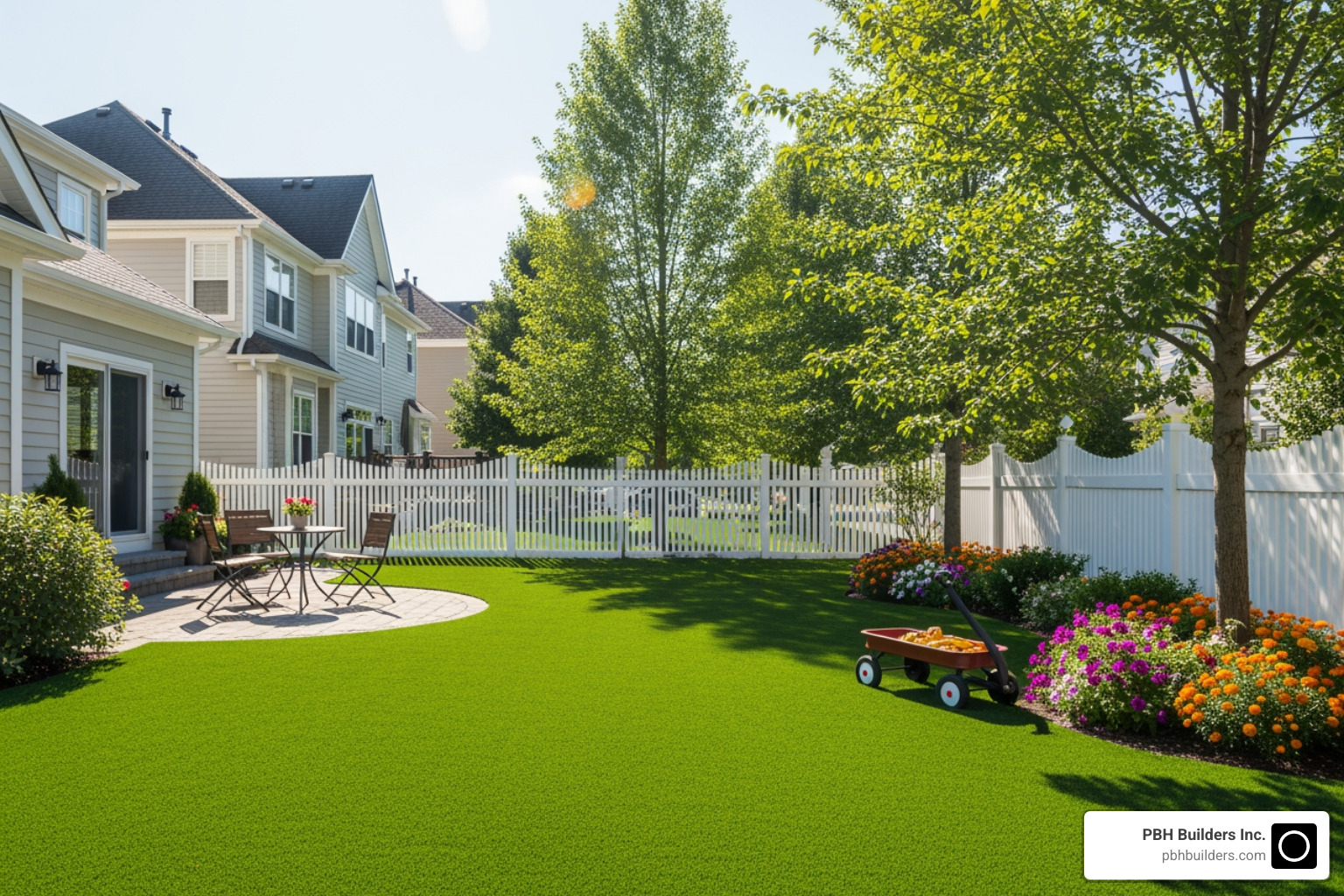
Faux grass offers homeowners a stunning, green lawn year-round without the hassle of constant maintenance. For those tired of the endless work a natural lawn requires, artificial turf provides a lush, beautiful aesthetic with minimal effort.
Top Faux Grass Benefits:
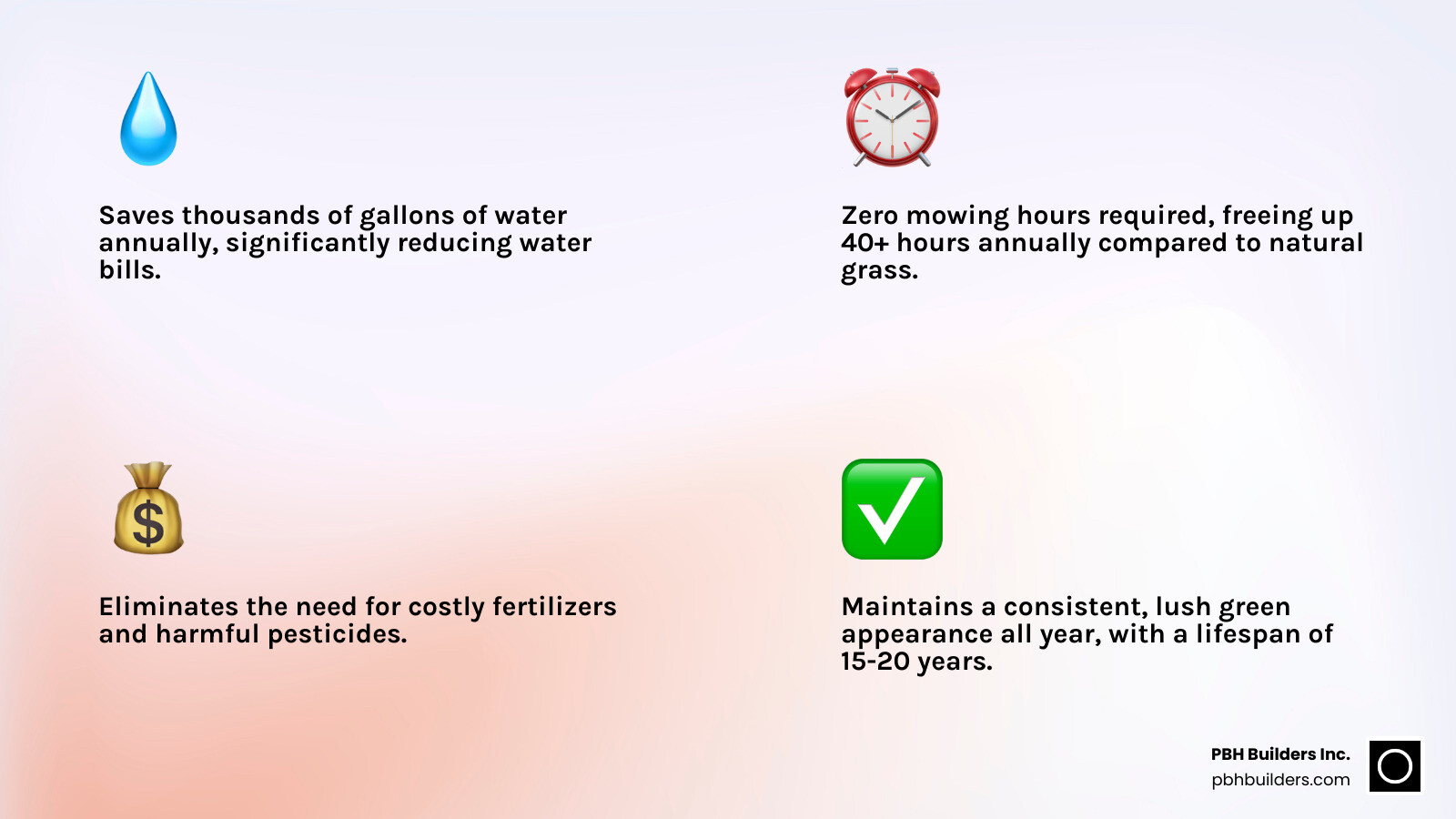
- Zero Watering Required – Save thousands of gallons annually and reduce water bills
- No Mowing or Fertilizing – Reclaim your weekends and eliminate lawn care costs
- 15-20 Year Lifespan – Durable investment that stays green through all seasons
- Pet and Child-Friendly – Safe, clean play surface with excellent drainage
- Consistent Appearance – No brown patches, weeds, or mud
The technology behind faux grass has evolved dramatically. Modern synthetic turf uses polyethylene blades with varied colors and thatch layers that look remarkably natural, unlike the artificial-looking grass of the past.
Artificial grass varies in quality, from lightweight options for balconies to heavy-duty turf for high-traffic areas. Your choice depends on your specific needs, whether you’re creating a pet-friendly yard, a putting green, or a beautiful, maintenance-free landscape.
In San Diego’s climate, where water conservation is critical, faux grass is a practical solution. It eliminates irrigation while maintaining a fresh-cut lawn appearance year-round, even during droughts.
Quick faux grass terms:
Why Choose Faux Grass? The Pros and Considerations
Deciding to switch from natural grass to synthetic turf is a big decision. While the dream of a perfect green lawn is appealing, the reality of maintaining it can be a part-time job. Faux grass offers a practical alternative, especially in San Diego where water is precious and weekends are for enjoyment, not yard work.
Here’s how faux grass compares to traditional lawns:
| Feature | Faux Grass | Natural Lawn |
|---|---|---|
| Upfront Cost | Higher initial investment | Lower initial cost (seed/sod) |
| Long-Term Cost | Very low (no water, mowing, fertilizer) | High (water, fertilizer, mower, upkeep, pest control) |
| Maintenance Time | Minimal (occasional rinsing/brushing) | High (mowing, watering, weeding, fertilizing, pest control) |
| Water Usage | Zero | Significant (can be thousands of gallons annually) |
| Lifespan | 15-25 years | Varies, requires continuous care/replanting |
The Advantages of an Artificial Lawn
With artificial turf, your weekends are yours again. The benefits go far beyond just reclaiming your Saturday mornings.
- No Mowing: Eliminate noisy, gas-powered equipment and the weekly chore of mowing in the San Diego heat.
- No Watering: This is where faux grass truly shines in our drought-prone climate. You’ll save thousands of gallons of water annually, significantly lowering your water bill and contributing to conservation efforts.
- No Fertilizing: Save money and protect your family and local waterways from harsh chemicals and pesticides.
- Durability: A quality artificial lawn can last 15 to 25 years. Unlike natural grass that browns or develops bare patches, faux grass stays green all year with consistent color and texture.
- Family-Friendly: For families with kids and pets, artificial turf is a clean, pet and child-friendly play surface that drains quickly and stays mud-free. This means no more grass-stained clothes or muddy paw prints, and fewer pests like fleas and ticks.
Considerations Before Installing Faux Grass
While faux grass offers tremendous benefits, there are a few factors to consider.
- Initial Investment: The upfront cost to install artificial turf is higher than laying sod. However, this expense is offset over time by eliminating water bills, equipment, and maintenance costs. For more details, see our guide on synthetic lawn cost per square foot.
- Heat Retention: Faux grass can get hot in direct sun, becoming warmer to the touch than natural grass. This is manageable with shaded areas or a quick spray from a hose to cool it down.
- Environmental Impact: Artificial turf presents a trade-off. It excels at water conservation and eliminates chemical runoff, but it is a manufactured plastic product. It’s not biodegradable, and the manufacturing process uses petroleum-based materials. There are also emerging concerns about microplastics, though the industry is improving with recycled materials and better end-of-life recycling programs.
If water conservation, time savings, and long-term cost reduction are your priorities, faux grass is an excellent choice. If you’re concerned about the environmental aspects of plastic, you’ll want to weigh those factors against the significant water and chemical savings.
Understanding the Anatomy of Artificial Turf
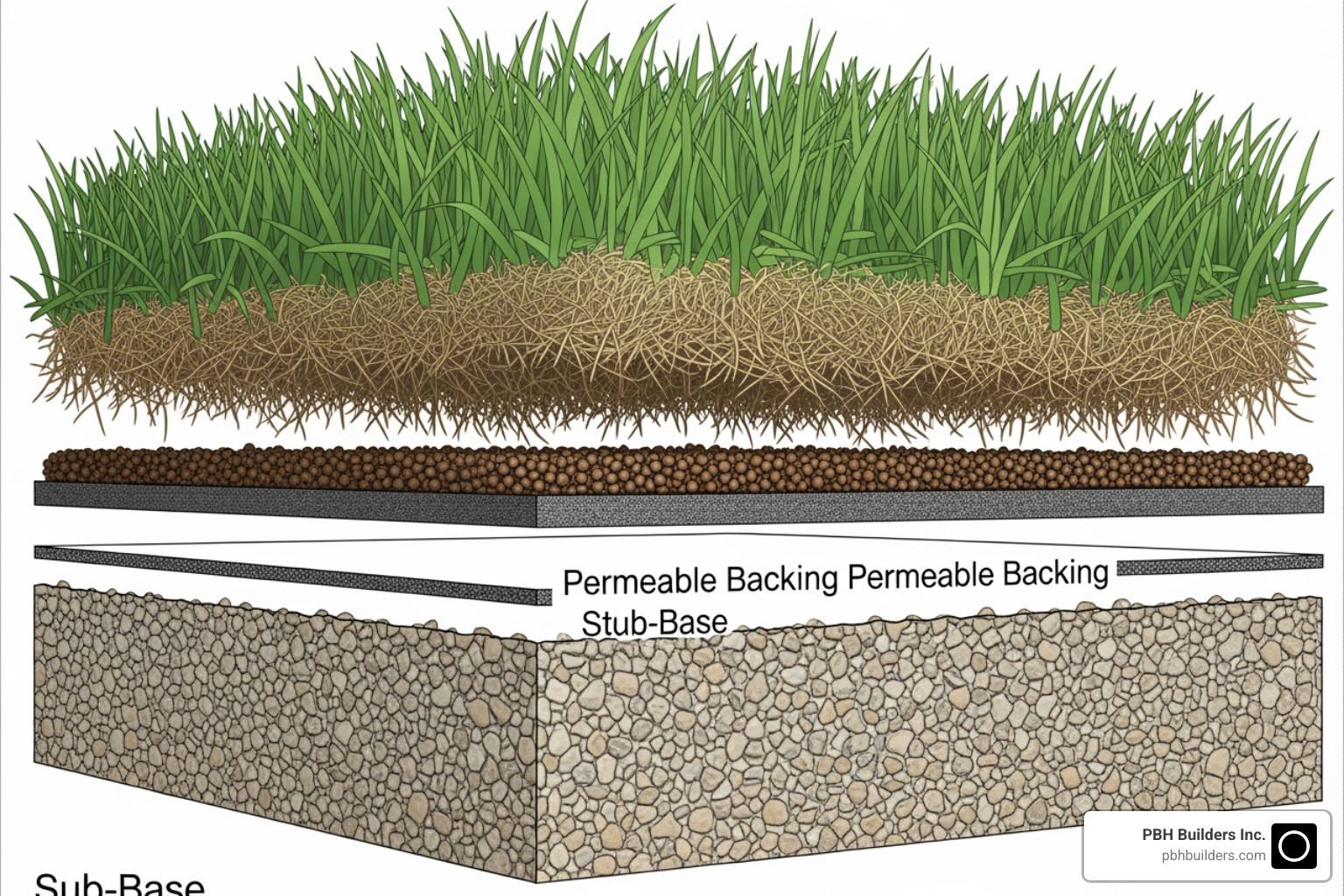
Modern faux grass is a sophisticated, multi-layered system engineered to look, feel, and perform like natural grass. Understanding its components helps you appreciate the quality differences between products and choose the right turf for your San Diego yard.
The Blades: Material and Realism
The visible grass blades are made from synthetic polymers, and the material choice affects the look, feel, and durability of your faux grass.
- Polyethylene: The gold standard for residential lawns, offering a soft feel, realistic appearance, and excellent durability.
- Polypropylene: Often used in the thatch layer for support, it’s durable but can be stiffer and less UV-resistant.
- Nylon: The strongest and most heat-resistant option, ideal for putting greens or high-traffic commercial areas, though it’s less soft than polyethylene.
Modern realism is achieved through a thatch layer of shorter, brown and tan fibers that mimic dead grass, providing cushioning and depth. High-end turf also blends multiple shades of green and includes built-in UV protection to prevent fading under the San Diego sun for 15 years or more.
The Foundation: Backing and Infill
The backing holds the turf system together, while the infill provides stability and cushioning.
- Backing: A dual-layer system secures the grass blades and provides stability. It is perforated with drainage holes, allowing water to pass through efficiently—often better than natural soil.
- Infill: This material is spread between the blades to help them stand upright, add weight, and provide cushioning. Common types include sand infill (affordable and effective), rubber infill (superior cushioning for play areas), and zeolite infill, which is a must-have for pet owners as it absorbs ammonia from urine to neutralize odors.
Key Specifications for Your Faux Grass
When shopping for turf, these terms indicate quality and performance. The Artificial Grass Buying Guide offers more detail.
- Pile Height: The length of the grass blades. Shorter piles (25-30mm) are durable for high-traffic areas, while longer piles (30-38mm+) offer a lush, soft look.
- Face Weight: The weight of the grass fibers per square yard (excluding backing). Higher face weight (46-80+ oz) generally means denser, more durable turf.
- Density: How tightly packed the blades are. Higher density provides a fuller look and better resistance to matting.
- Gauge: The spacing between rows of stitches. A smaller gauge means higher density.
- Durability Ratings: Reputable manufacturers provide warranties and clear expectations for how their product will perform over its lifespan.
How to Choose the Right Turf for Your Application
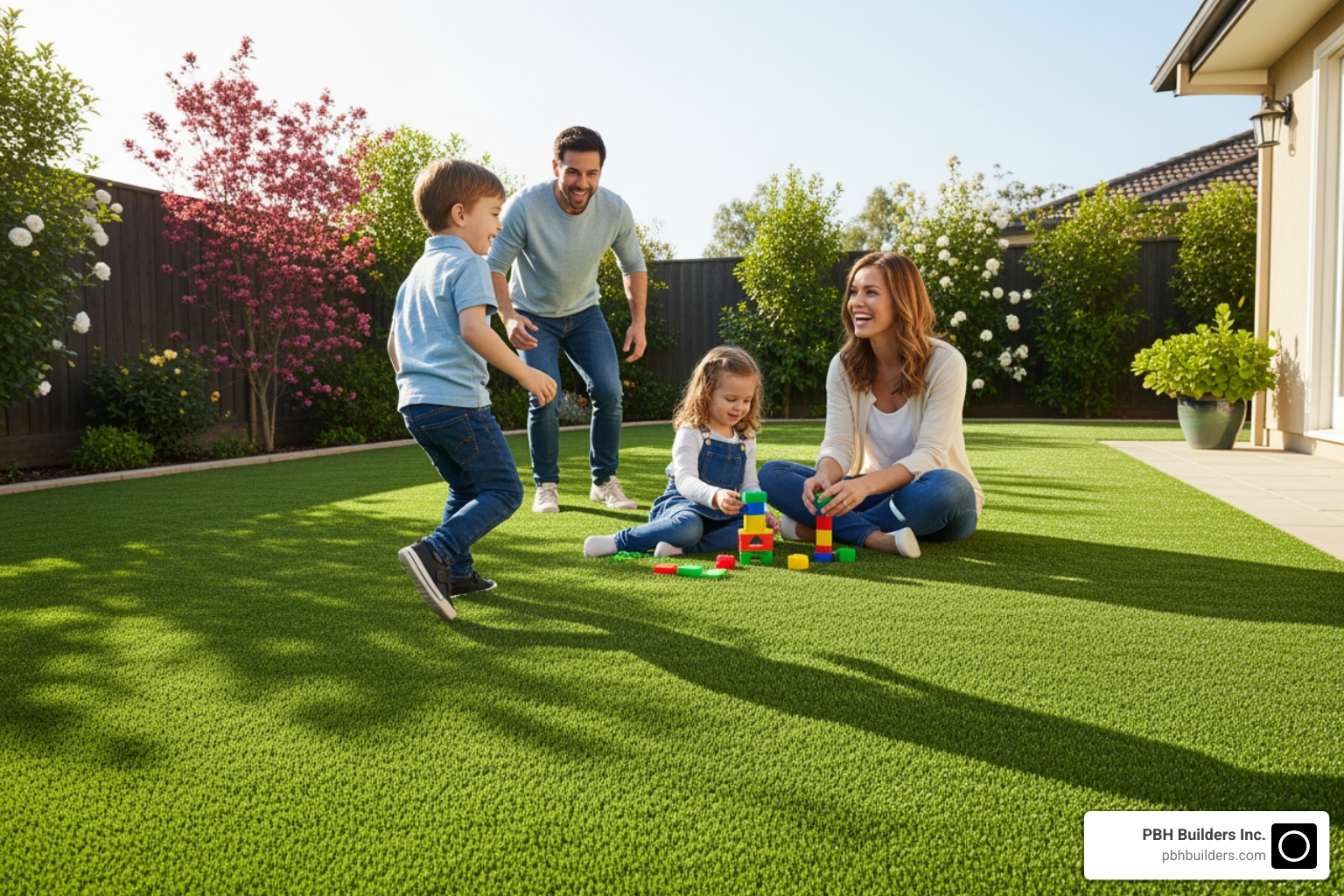
Not all faux grass is created equal. The best choice for a pristine putting green would be wrong for a family play area. Matching the turf to your lifestyle, family needs, and San Diego microclimate is key to a successful installation.
Best Faux Grass for Pets and Families
For active yards with pets and children, you need faux grass that is durable, safe, and easy to clean. Key features include:
- Excellent Drainage: A highly permeable backing is crucial to quickly drain liquids and prevent odors.
- Durability: Robust polyethylene or polyethylene-nylon blend fibers with a high face weight will resist matting and tearing from constant use.
- Safety: Look for non-toxic materials free from heavy metals. Some options include antimicrobial properties for added hygiene.
- Shorter Pile Height: A pile of 25-35mm is easier to clean and maintain.
- Zeolite Infill: This natural mineral is essential for pet owners, as it absorbs ammonia from urine to neutralize odors effectively.
Options for High-Traffic Areas and Playgrounds
For pathways and dedicated play areas, choose faux grass engineered for endurance.
Look for turf with high face weight and density to resist matting and maintain a lush appearance. Resilient fibers made from polyethylene and nylon blends offer the necessary toughness. For playgrounds, a shock-absorbent pad installed underneath provides critical fall protection. A short to medium pile height (20-30mm) is best, as it’s naturally more durable and easier to keep clean.
Creating the Perfect Putting Green
A backyard putting green requires specialized turf completely different from landscape faux grass.
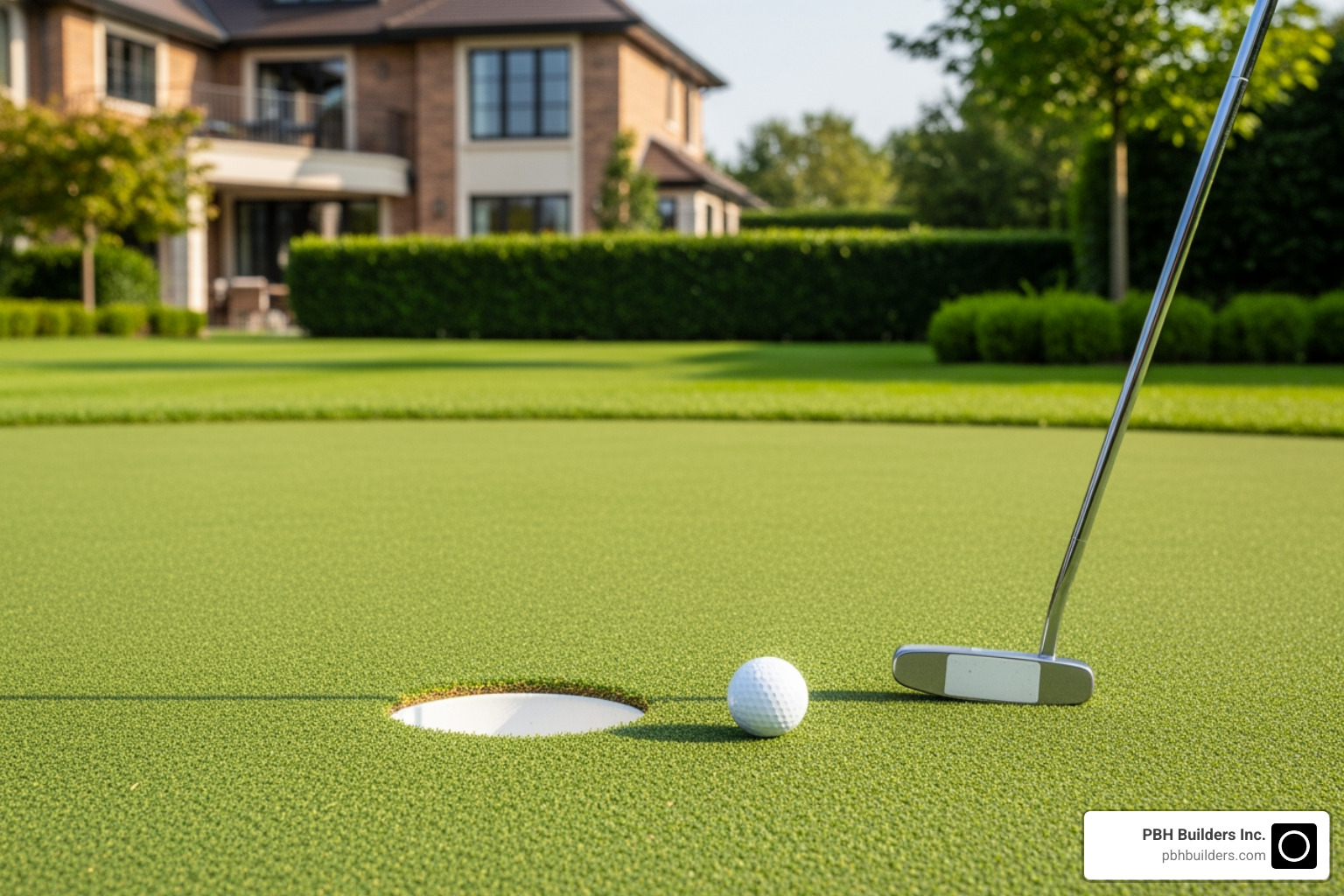
Look for a short, dense pile (around half an inch) to create a smooth, fast surface for true ball roll. The blades should be non-directional so the ball rolls consistently in any direction. These systems use a low-infill design with specialized sand to achieve the firmness and speed golfers expect.
Solutions for Balconies, Decks, and Rooftops
You can enjoy the benefits of faux grass even without a traditional yard. For balconies, decks, and rooftops in San Diego, lightweight turf is often the best choice to avoid adding excessive weight to the structure. UV stability is critical in these sun-exposed areas to prevent fading. Excellent drainage is also essential to prevent pooling water and potential structural damage. The right turf can transform these spaces into beautiful, comfortable green retreats. For more on these installations, see our guide on Artificial Grass on Rooftop.
The Installation and Maintenance Journey
Once you’ve selected your faux grass, the next step is installation, followed by refreshingly simple maintenance. While a small DIY project is possible, professional installation is the most important factor in ensuring your lawn performs beautifully for its 15-25 year lifespan. Poor installation can lead to drainage issues, premature wear, and visible seams. Our Artificial Turf Installation Guide 2025 offers a comprehensive look.
The Installation Process Explained
A professional installation follows a precise process to ensure longevity and performance:
- Site Excavation: The existing lawn and 3-4 inches of soil are removed, and the area is graded for proper drainage.
- Sub-base Installation: A layer of crushed aggregate is installed to provide a stable, weed-resistant, and permeable foundation.
- Compaction: The sub-base is thoroughly compacted to prevent settling and ensure a level surface.
- Laying the Turf: The faux grass is rolled out, with careful attention to matching the blade direction across all sections for a uniform look.
- Cutting and Seaming: The turf is trimmed to fit the landscape perfectly, and sections are joined with specialized tape and adhesive for invisible seams.
- Infill Application: Sand, rubber, or zeolite infill is spread evenly and worked between the blades to provide structure, weight, and cushioning.
- Final Brushing: A power broom lifts the blades and evenly distributes the infill, giving the lawn a lush, finished appearance.
Keeping Your Artificial Lawn Pristine
Maintaining your faux grass is simple and requires minimal effort.
- Regular Rinsing: A quick spray with a hose every week or two removes dust and pollen. Rinse more frequently for pets to wash away urine and prevent odors.
- Occasional Brushing: Use a stiff-bristled broom (or power broom) to fluff up blades in high-traffic areas about once a month.
- Debris Removal: Use a leaf blower, plastic rake, or shop vacuum to easily clear away leaves and twigs.
- Spot Cleaning: Blot spills, rinse with water, and use mild soap for stubborn spots. The non-absorbent fibers make cleanup easy.
- Pet Waste Management: Scoop solid waste as usual. A quick rinse is typically enough for urine spots, especially with zeolite infill. For any lingering odors, a solution of white vinegar and water works well.
Frequently Asked Questions about Faux Grass
Investing in a new lawn is a big decision. Here are answers to the most common questions we hear from San Diego homeowners about faux grass.
How much does artificial grass cost?
The upfront cost of faux grass is higher than natural sod, but the long-term savings are significant. The total price depends on several factors: material quality, square footage, site preparation complexity, and the chosen infill type. In San Diego, professionally installed faux grass typically ranges from $5 to $20+ per square foot.
This initial investment is offset over the turf’s lifespan by eliminating costs for water, fertilizer, pesticides, and lawn care services. Most homeowners find they save money in the long run compared to maintaining a natural lawn. For a detailed cost analysis, our article on Astro Turf Price Per Square Foot is a helpful resource.
How long does artificial turf last?
A professionally installed, high-quality artificial lawn can last 15 to 25 years. The exact lifespan depends on several factors:
- Material Quality: Premium, UV-stabilized fibers and robust backing last longer.
- Foot Traffic: High-traffic areas may show wear sooner than decorative lawns.
- Sun Exposure: Intense San Diego sun will affect any material over decades, which is why quality UV protection is vital.
- Maintenance: Regular rinsing and brushing extend the turf’s life.
- Installation Quality: Proper installation is critical to prevent issues that shorten the turf’s lifespan.
Is artificial grass environmentally friendly?
Faux grass presents an environmental trade-off. It’s important to weigh the pros and cons for your specific values.
The primary benefits are water conservation and the elimination of chemicals. In a drought-prone area like San Diego, replacing a natural lawn saves tens of thousands of gallons of water annually. It also stops chemical fertilizers and pesticides from polluting local waterways and removes the emissions from gas-powered lawn equipment.
On the other hand, faux grass is a plastic product manufactured from fossil fuels, and its production has an environmental footprint. At the end of its long life, disposal can be a challenge, as recycling programs are not yet widespread. The material can also get hotter than natural grass, contributing to localized heat. The industry is evolving, with more products incorporating recycled materials and efforts to improve end-of-life solutions.
Conclusion
Achieving a lush, green lawn that remains beautiful year-round without constant work is possible with faux grass. For San Diego homeowners, it is a practical, water-wise solution that gives you back your time and improves your lifestyle.
Modern faux grass is a sophisticated product, and its benefits are compelling: zero watering, no chemical treatments, and a consistently green appearance for 15-25 years. While there is a higher upfront investment and environmental trade-offs to consider, the long-term savings and convenience make it an excellent choice for many.
Choosing the right product and ensuring professional installation are the keys to a successful project. The right expertise ensures your lawn will perform beautifully for decades. At PBH Builders Inc., we bring creativity and meticulous attention to detail to every project, helping you select the perfect turf for your needs and installing it with precision.
Your outdoor space should be a source of enjoyment, not endless upkeep. Ready to transform your yard into a beautiful, low-maintenance oasis? Transform your outdoor space with professional turf and paver installation from PBH Builders Inc. Let’s create something extraordinary together.