Why Your Backyard Deserves More Than Just Grass
Backyard landscape design transforms an ordinary yard into a beautiful, functional retreat that improves your home’s value and your daily life. A thoughtful design can create an outdoor dining area, a cozy fire pit for gatherings, or simply a more attractive space.
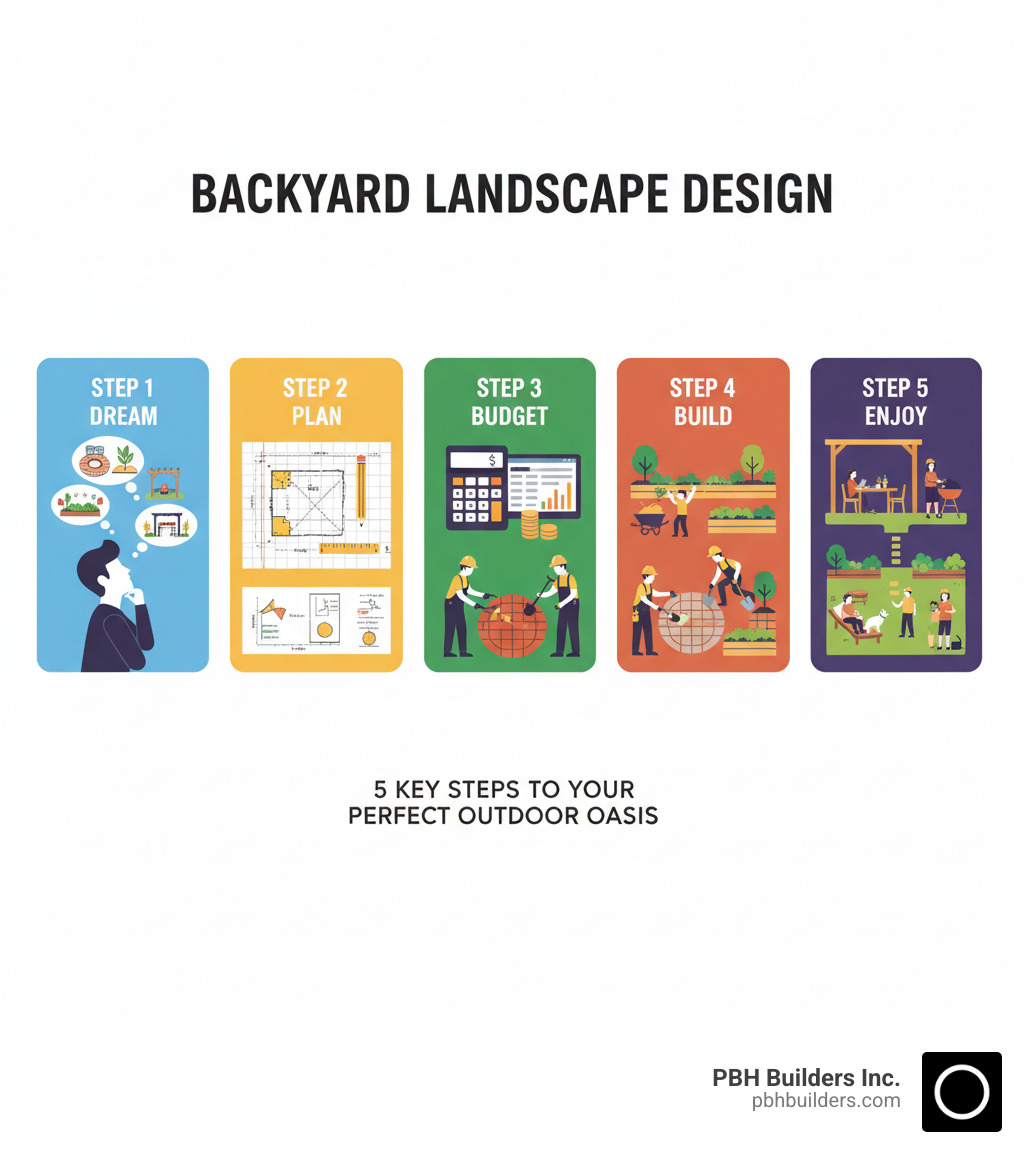
Quick Answer: The 5 Essential Steps to Backyard Landscape Design
- Dream – Define your vision and priorities.
- Plan – Create a scaled drawing with activity zones.
- Budget – Estimate costs and decide on DIY vs. professional help.
- Build – Install hardscaping first, then add plants.
- Enjoy – Maintain and enjoy your new outdoor oasis.
A well-landscaped yard can increase your home’s value by up to 20%, and 75% of homeowners are planning outdoor living projects. But for many San Diego homeowners, the challenge is turning a vague idea into a beautiful reality.
Creating your dream outdoor space doesn’t require a degree in landscape architecture. It requires understanding basic principles, asking the right questions, and following a clear process. Whether your yard is large or small, the approach is the same: understand your site, define your goals, choose climate-appropriate materials and plants, and execute your plan logically.
This guide will walk you through the entire process of backyard landscape design, from planning and planting to hardscaping and finishing touches.
Relevant articles related to Backyard landscape design:
The Foundation: Planning & Budgeting Your Dream Backyard
Planning your backyard landscape design is like mapping out a road trip—it ensures you reach your destination without getting lost. A thoughtful approach is essential before you start digging.
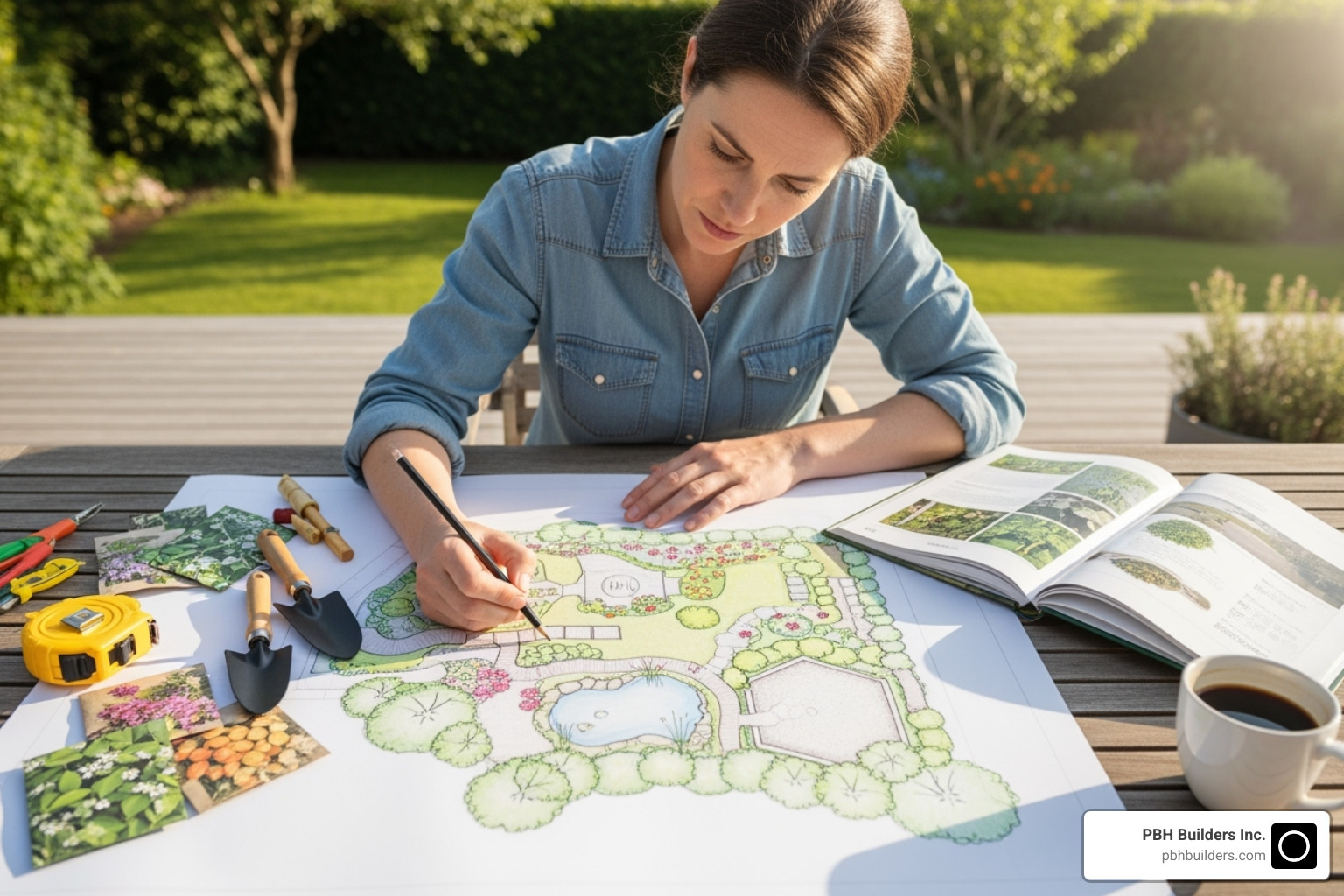
First, become a detective in your own yard. Observe it at different times of day to see where the sun hits and which areas remain shady. Note where water puddles after rain. Measuring your space accurately is crucial. Create a simple sketch with your yard’s dimensions, existing structures, and features you want to keep. Mark utility lines (call 811 before you dig!), sun exposure, and drainage patterns. This base map is your starting point.
Understanding our San Diego climate is also key. The USDA Plant Hardiness Zone Map helps you choose plants that will thrive in your specific microclimate.
Planning Your Backyard Landscape Design Project
Now, dream with intention. Make two lists: your needs (e.g., a safe play area, privacy screening) and your wants (e.g., a fire pit, a vegetable garden). Be honest about how you’ll use the space. Do you host dinner parties or prefer quiet mornings? Your lifestyle should dictate the design.
Create functional diagrams to visualize different zones or “rooms” in your yard. Then, draw a scaled plan on graph paper (e.g., one square = one foot). This helps you confirm that furniture and features will fit before you build. It’s much easier to erase a pencil mark than to move a concrete patio. Consider future needs as well; a toddler’s sandbox could become a flower bed in a few years. For more guidance, the University of Missouri Extension offers excellent resources: Developing the Landscape Plan | MU Extension.
Budgeting for Your Project
Most homeowners spend between $5,000 and $10,000 on landscaping, but costs can range from a few hundred dollars for DIY improvements to over $50,000 for complete changes. Your budget will depend on the yard’s size, the materials you choose (natural stone costs more than concrete pavers), and labor, which can be 40-50% of the total cost.
To manage costs, prioritize high-impact features and consider a phased approach. Install a patio this year, add a fire pit next summer, and plant the garden the following spring. This improves your yard steadily without draining your savings.
The DIY versus professional decision isn’t all-or-nothing. You might hire pros for complex hardscaping and handle the planting yourself. Investing in professional design services can prevent costly mistakes, as a designer understands local climate, proper drainage, and material sourcing. They can streamline your project and save you money in the long run.
When you’re ready for professional help, we can guide you through the process. Learn more about our approach: More info about Landscape Design services. A well-planned backyard landscape design adds years of enjoyment and real value to your home.
Core Principles of Backyard Landscape Design
With a plan and budget, we can focus on the artistry of backyard landscape design. Like a well-composed painting, a successful landscape follows core principles to create harmony and visual appeal.

- Unity and repetition create a cohesive look. Repeating plants, colors, or materials ties the space together, making it feel intentional.
- Balance prevents the space from feeling lopsided. This can be formal (symmetrical) or informal (asymmetrical), where elements of equal visual weight create equilibrium.
- Proportion and scale ensure everything fits together naturally. Elements should be scaled to your home and to each other. Always consider the mature size of plants.
- Color theory brings emotion to the yard. Warm colors (reds, yellows) create excitement, while cool colors (blues, greens) have a calming effect.
- Texture and form add visual interest. Contrasting textures, like bold leaves next to feathery ferns, create drama. Plant forms (weeping, upright, mounding) create different silhouettes.
- Focal points give the eye a place to rest. A stunning tree, garden art, or a fire pit can anchor the design and provide structure.
Popular Landscaping Styles
Understanding popular styles helps articulate your vision for your backyard landscape design.
- Modern: Clean lines, geometric shapes, and minimalist plantings (e.g., agave, bamboo) paired with materials like concrete and steel.
- Cottage: Informal, dense plantings of colorful flowers and herbs with a charming, romantic feel.
- Mediterranean: Perfect for San Diego, this style uses drought-tolerant plants like lavender and olive trees, with terracotta pots and gravel paths.
- Rustic: Accepts natural beauty with reclaimed wood, rough-hewn stone, and native plants for an authentic feel.
- Japanese Zen: Prioritizes tranquility with carefully placed rocks, raked gravel, and sparse, intentional plantings.
These styles are adaptable to any yard size. The goal is to create a “sense of place” that feels authentic to you. For more design ideas, see the University of Florida’s guide: Landscape Design: Ten Important Things to Consider.
Creating Functional Zones
Think of your backyard as an extension of your home, with different “rooms” for various activities. This concept maximizes the usability of your backyard landscape design.
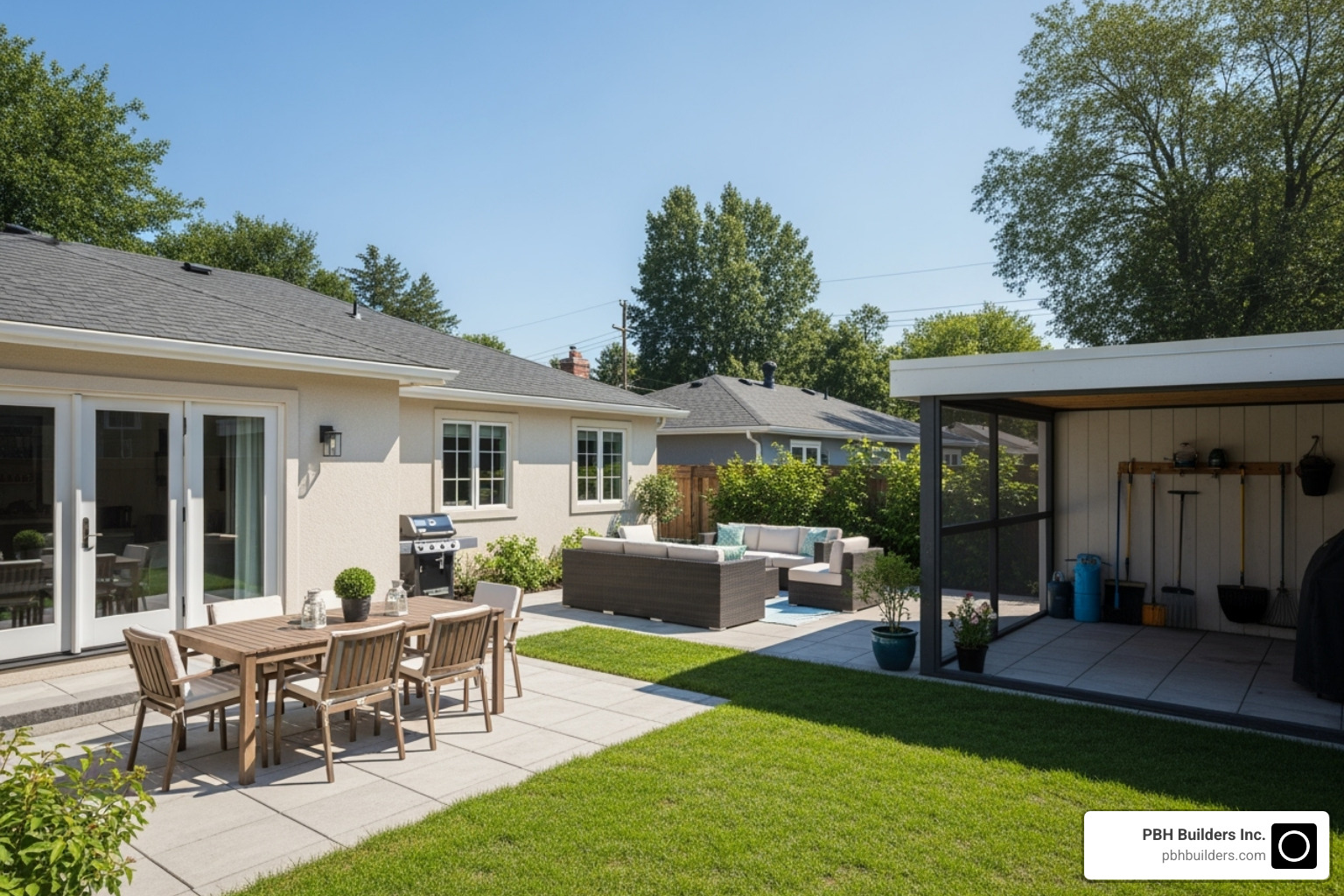
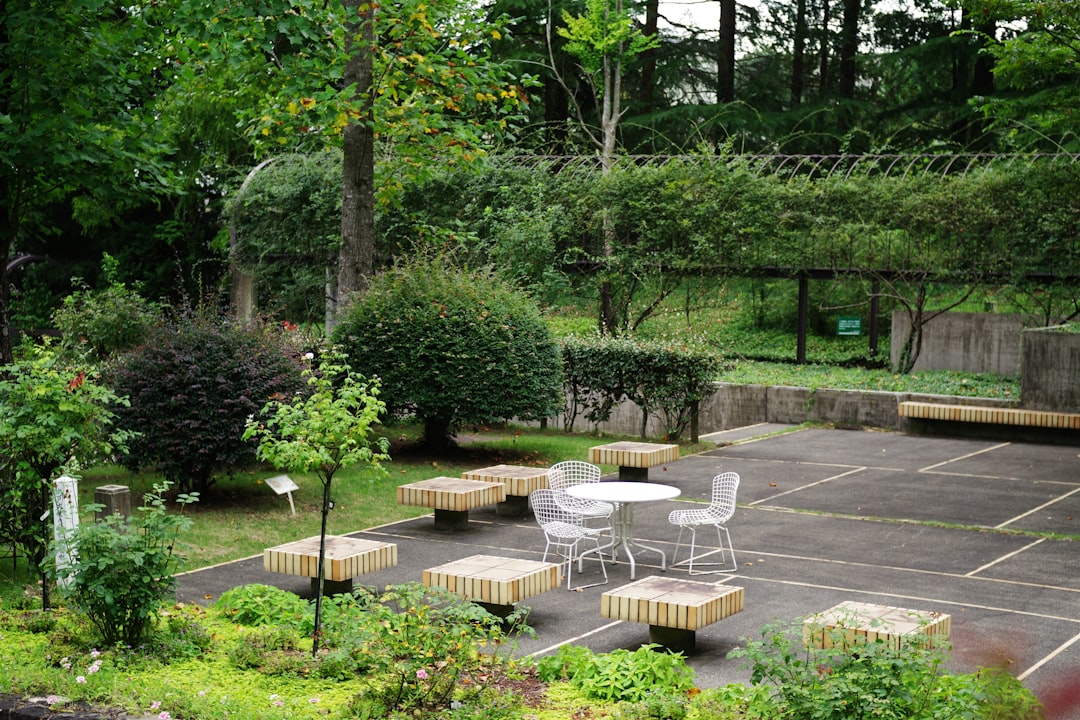
- Dining areas: A patio or deck with a table and chairs for alfresco meals.
- Lounging spaces: Comfortable seating, perhaps around a fire pit or under a shade sail, for relaxation.
- Recreation and play areas: A lawn for games or a dedicated play structure for children.
- Utility areas: Screened-off zones for trash bins, compost, or tool sheds.
Define these zones with subtle cues like changes in paving material, low walls, hedges, or even the placement of furniture and outdoor rugs. Thoughtful separation ensures all areas are functional and enjoyable. See how we create custom outdoor living spaces: More info about Outdoor Living Spaces.
Building Your Oasis: Key Features and Functional Zones
This is where your backyard landscape design takes shape, as plans become a tangible retreat. We start with hardscaping—the permanent, structural features—before adding plants and special touches.
Using Hardscaping to Define Your Space
Hardscaping is the “skeleton” of your outdoor space, providing structure and creating functional areas. These durable features require minimal maintenance while delivering maximum impact.
- Patios and decks are the heart of outdoor living, serving as an extension of your home for dining and entertaining. Decks are especially useful for creating level spaces on sloped yards.
- Walkways and paths guide movement and connect different zones. The material choice—gravel, pavers, or flagstone—adds texture and visual interest.
- Retaining walls are essential for sloped yards, preventing erosion and creating usable terraces. They can also incorporate seating or raised planting beds. Learn how they can reshape your landscape: Services: Retaining Walls.
- Fences and privacy screens define boundaries and create intimacy. Options range from traditional wood fences to living walls of bamboo.
- Pergolas and shade structures offer relief from the sun and add vertical interest. A pergola’s slatted roof creates dappled shade, perfect for a dining area. Explore these structures: More info about Pergola Patio Construction.
Softscaping: Choosing the Right Plants and Materials
Once the hardscaping is in, plants bring your backyard landscape design to life with color, texture, and seasonal interest. The key to success in San Diego is choosing plants that thrive in our climate.
Native and drought-tolerant plants are the best starting point. They require less water and maintenance while supporting local wildlife. The USDA Plant Hardiness Zone Map is a helpful tool, but local expertise is invaluable.
When selecting plants, think about a mix of types for year-round interest. Perennials return each year, annuals provide seasonal color, and trees and shrubs form the structural backbone. Groundcovers can replace thirsty lawns in low-traffic areas. For our climate, consider succulents for architectural form, lavender for fragrance, and ornamental grasses for movement. For specific recommendations, see our guide: More info about Drought Tolerant Plants San Diego.
Incorporating Fire and Water Elements
Fire and water features transform a nice backyard into an unforgettable experience, creating focal points that draw people together.
Fire pits are a popular centerpiece, extending the outdoor season and creating a natural gathering spot for conversation. They range from simple portable bowls to elaborate built-in stone features. For a more formal look, an outdoor fireplace can anchor an outdoor living room.
Water features add tranquility. The sound of moving water can mask traffic noise and create a peaceful atmosphere. A simple fountain, a pond, or a waterfall can serve as a charming focal point. Safety is crucial for both fire and water elements, so always follow local codes and regulations.
These features become the memorable highlights of your yard. For guidance on creating the perfect fire feature, explore: More info about Hardscape Fire Pits.
Finishing Touches: Lighting, Creative Solutions, and Professional Help
We’re in the home stretch. The finishing touches in your backyard landscape design are what transform a good outdoor space into a magical one. This phase is about lighting your evenings, solving space challenges, and deciding when to call in the experts.
The Role of Landscape Lighting
Great outdoor spaces are enjoyable after dark. Landscape lighting is about creating atmosphere, extending your living hours, and enhancing your yard’s beauty at night.
- Ambient lighting, like string lights, sets a relaxed mood.
- Task lighting illuminates specific areas like outdoor kitchens or grilling stations.
- Accent lighting highlights features like a beautiful tree or stonework.
- Path lighting ensures safety on walkways and steps.

Beyond aesthetics, lighting adds security by deterring intruders. Modern LED and solar options are energy-efficient, making beautiful outdoor lighting accessible for any budget.
Maximizing Small or Uniquely Shaped Backyards
A small backyard doesn’t mean limited options; constraints often breed creativity. Some of the most impressive backyard landscape design projects are in compact spaces.
- Vertical gardening is key. Use living walls, trellises, or tiered planters to add greenery without taking up floor space.
- Multi-functional furniture, like a storage bench or a coffee table that’s also a fire pit, saves space.
- Built-in seating along a fence or retaining wall provides ample seating without clutter.
- Choose smaller-scale plants with narrow or upright growth habits to prevent the yard from feeling overgrown.
The secret to small-space success is to think vertically, create clear zones, and keep the design simple. For more ideas, check out: 24 Small Backyard Ideas to Transform a Space.
Tools and Professional Expertise
The big question is often: “Can I do this myself?” The answer depends on the project, your skills, and your time.
Landscape design software and AI tools can help DIY enthusiasts visualize ideas. However, there are clear benefits to hiring a professional. We bring design expertise, technical knowledge, and familiarity with local San Diego regulations, soil conditions, and climate-appropriate plants. A professional can prevent expensive mistakes, like improper drainage or structural issues, saving you money in the long run.
When should you DIY vs. call a pro? Simple projects like planting a flower bed or adding container gardens are great for DIY. However, for significant hardscaping (patios, retaining walls, decks), complex irrigation, or major grading, professional help is worth the investment. These projects require specialized knowledge and equipment to get them right the first time.
At PBH Builders Inc., we’re passionate about creating outdoor spaces that last. Learn how we can help: More info about Landscape Design.
Frequently Asked Questions about Backyard Landscape Design
We talk to homeowners every day about their backyard landscape design journey. Here are answers to the most common questions we hear.
How much does a backyard landscape design cost?
Most homeowners spend between $5,000 and $10,000, but this is just a starting point. The final cost depends on your yard’s size, your chosen materials (e.g., natural stone vs. gravel), and the amount of professional labor versus DIY work. While DIY saves on labor costs, hiring a professional can prevent expensive mistakes, ensuring the job is done right the first time. A well-designed landscape is an investment that can significantly increase your home’s value.
What is the best way to start a backyard design?
The biggest mistake is rushing to the nursery without a plan. The best way to start your backyard landscape design is with thoughtful preparation.
- Assess your site: Note sun exposure, shady areas, and drainage patterns.
- Define your needs and wants: How will you use the space? Prioritize features based on your lifestyle.
- Set a realistic budget: Consider both installation and ongoing maintenance costs.
- Create a scaled drawing: Use graph paper to map out your yard and experiment with layouts before you buy or build anything.
This systematic approach, detailed in resources like the Developing the Landscape Plan | MU Extension, saves time, money, and leads to a space you’ll love.
How can I make my backyard low-maintenance?
Creating a beautiful, low-maintenance backyard landscape design is achievable with smart choices.
- Choose native and drought-tolerant plants: They are adapted to our San Diego climate and require less water and care.
- Reduce your lawn: Replace thirsty grass with hardscaping like patios, or use low-maintenance groundcovers.
- Install a smart irrigation system: Drip lines deliver water directly to plant roots, reducing waste and effort.
- Opt for durable hardscaping materials: Composite decking and natural stone resist weathering and require minimal upkeep.
- Use mulch: A thick layer of mulch suppresses weeds, retains moisture, and enriches the soil.
These strategies create an outdoor space that offers maximum enjoyment with minimal chores. For more ideas, explore our guide: More info about Low Maintenance Landscaping.
Conclusion
Creating your dream backyard landscape design is an investment in your lifestyle. From planning and budgeting to building and planting, each step brings you closer to an outdoor space that feels uniquely yours. A well-designed backyard adds real value to your property and becomes the backdrop for cherished memories.
The key principles are consistent: know your site, plan with purpose, and build with quality. For San Diego homeowners, this means choosing elements that thrive in our unique climate.
At PBH Builders Inc., we bring years of local experience and a passion for creating exceptional outdoor spaces. We’re here to translate your vision into a beautiful, functional reality that stands the test of time. Whether you’re dreaming of a cozy fire pit or a full outdoor kitchen, we can help you build it.