Why the Right Paver Pattern Transforms Your Outdoor Space
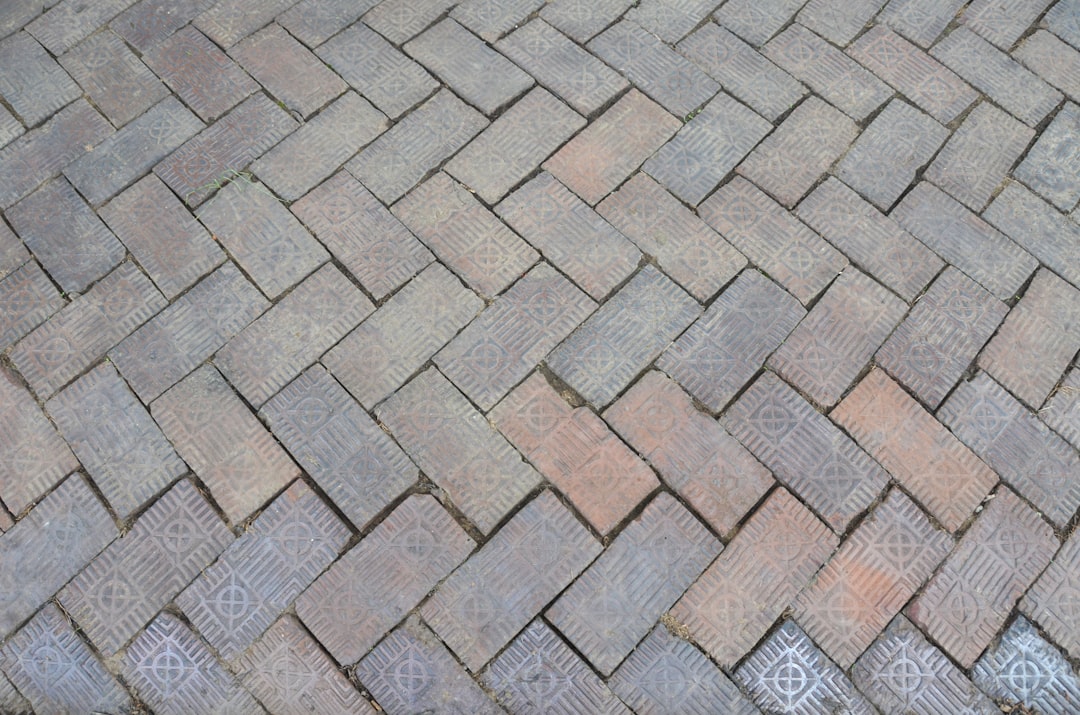
The herringbone paver pattern is a classic interlocking design where rectangular pavers are laid at 45 or 90-degree angles to create a V-shaped, zigzag appearance. Prized for its durability and visual appeal, this pattern is ideal for driveways, patios, and high-traffic walkways.
Key characteristics include:
- Structural Strength: The interlocking design distributes weight and resists shifting, a principle dating back to Roman roads.
- Visual Impact: It creates dynamic movement and can make spaces appear wider.
- Versatility: Comes in two main variations (45-degree and 90-degree) to suit different aesthetic and structural needs.
When planning a patio or driveway for your San Diego home, the pattern you choose is as important as the material. While pavers offer durability, the arrangement determines how well they hold up to traffic, weight, and the climate. Interlocking patterns like herringbone and basketweave stand out because they are not just beautiful—they are engineered for strength. This time-tested design locks pavers in place, making it one of the most durable options for modern hardscapes.
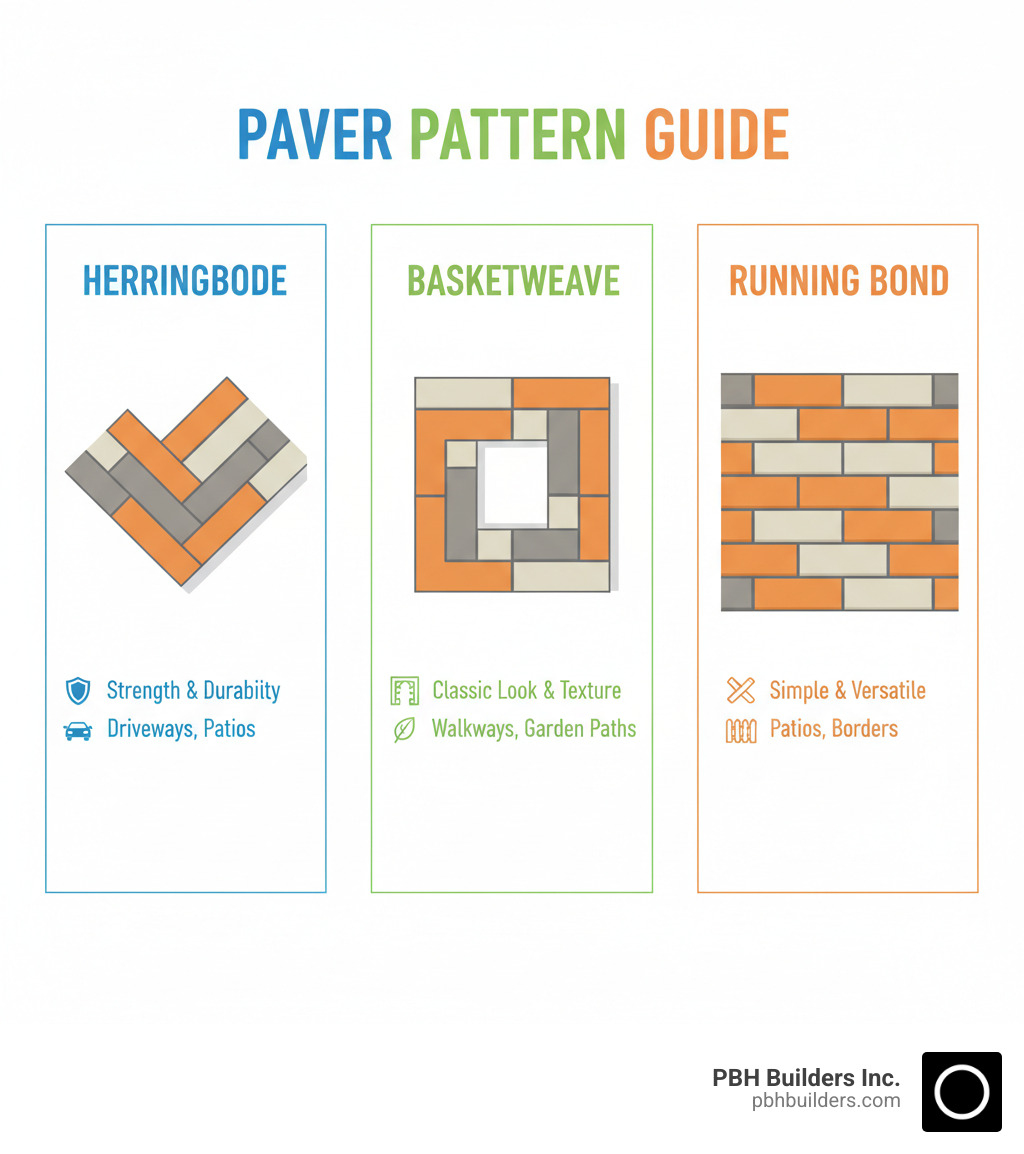
Quick herringbone paver pattern definitions:
The Power of Interlock: Why Choose Herringbone or Basketweave?
While a herringbone paver pattern is undeniably beautiful, its most compelling feature is its engineered strength. The same principles that kept Roman roads intact for centuries are at work in your San Diego driveway. The Romans were brilliant engineers who understood that the arrangement of pavers is just as important as the material.

For our San Diego clients, we often recommend interlocking patterns because they create a surface that handles stress without failing. It’s a smart investment that pays off for years. To learn more about material selection, see our guide on choosing and installing pavers.
Advantages of the Herringbone Pattern
The herringbone paver pattern is a powerhouse for high-traffic areas due to several key advantages:
-
Durability and Load Distribution: Each paver supports its neighbors, distributing weight evenly across the surface. Instead of concentrating on a single paver, the V-shaped layout transfers loads across a wider area. This prevents cracking under the pressure of daily use, especially on driveways.
-
Stability and Resistance to Shifting: The crisscrossing layout locks pavers in place, dramatically reducing movement and settlement over time. This is crucial in San Diego for handling heavy rains and settling soil. Stress is dispersed in multiple directions, preventing the domino effect that can occur in simpler linear patterns.
-
Visual Appeal: Beyond its structural integrity, the dynamic, repeating pattern adds sophistication and timeless elegance. This classic design boosts curb appeal and can increase property value.
The magic lies in the V-shaped layout. When rectangular pavers meet at angles, they create strong diagonal bonds that resist forces from all directions, including the horizontal shear forces that push pavers apart. The 45-degree orientation is particularly effective at redirecting and absorbing stress. The entire paved surface acts like a unified, flexible mat, making it incredibly resistant to settlement and shifting.
Mastering the Herringbone Paver Pattern
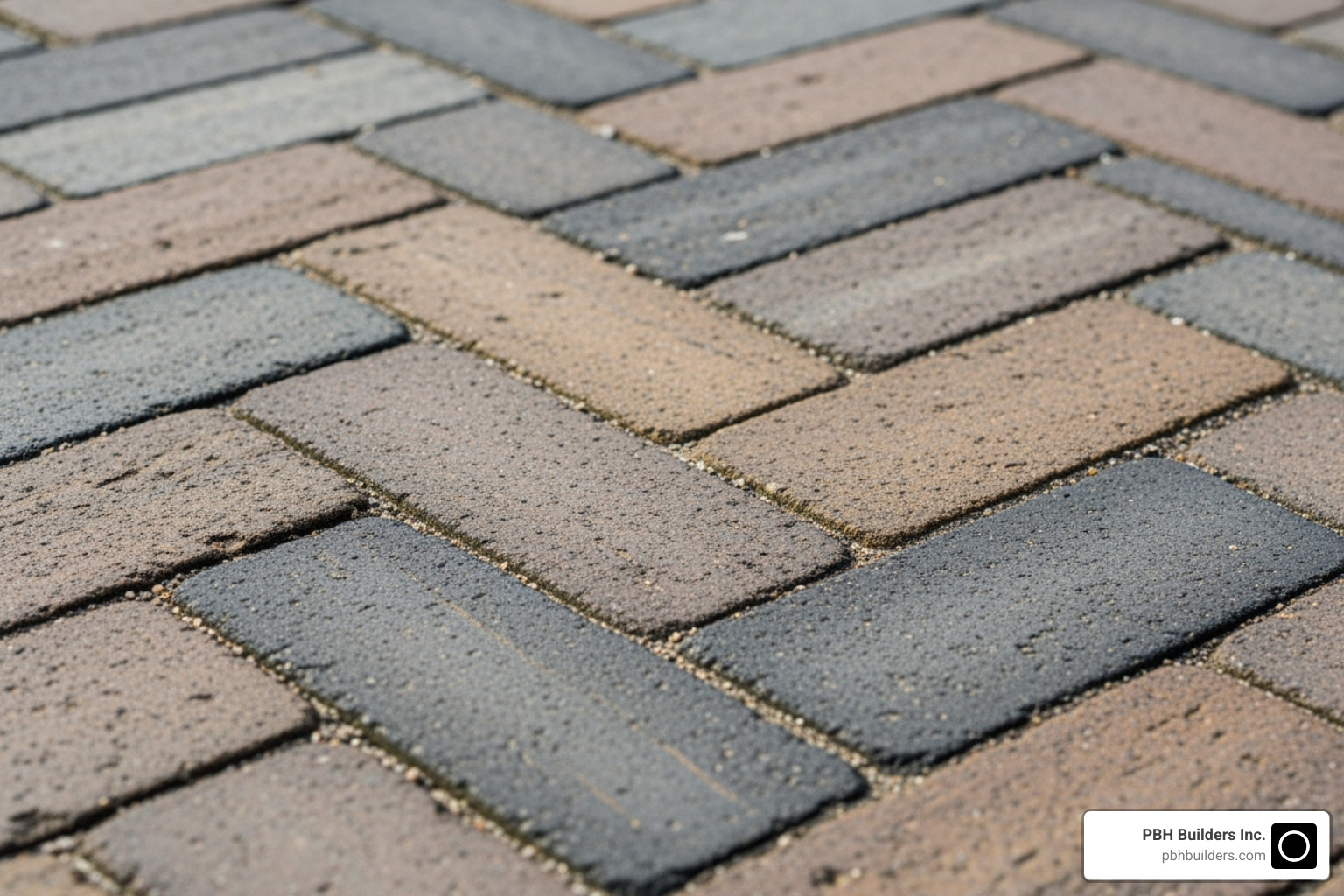
The herringbone paver pattern is a time-tested solution that brings together beauty and brawn. Its name comes from its resemblance to the bone structure of a herring fish, a fitting name for a pattern built on interconnected strength.
Origins and Timeless Aesthetic
The design’s roots trace to the Roman Empire, where engineers used the interlocking V-shape to build roads that could withstand heavy carts and marching armies for centuries. This enduring pattern transcends style, adapting beautifully to Mediterranean, modern, or classic craftsman designs. Its diagonal lines create visual movement, and the angled layout can make patios appear wider and walkways seem longer. See how we bring this elegance to life in our paver project example.
Key Differences: 45-Degree vs. 90-Degree Herringbone Paver Pattern
While both versions use the same interlocking principle, the angle changes the look and installation.
-
45-Degree Herringbone: Runs diagonally, creating dynamic chevrons that make spaces feel larger. It offers superior load distribution, making it the top choice for driveways with heavy traffic. However, it requires more precise cuts along the perimeter.
-
90-Degree Herringbone: Aligns parallel or perpendicular to the edges for a more formal look. Installation is often simpler in rectangular spaces with fewer cuts. It remains an incredibly stable and durable option for high-traffic areas.
For pure load-bearing performance, the 45-degree version has an edge. For simpler installation in rectangular areas, the 90-degree version is a strong contender. Both are significantly stronger than linear patterns.
Best Materials for a Flawless Herringbone Paver Pattern
The key to a perfect herringbone pattern is using dimensionally consistent pavers. Popular choices include:
- Concrete Pavers: Available in a huge range of colors and textures, their uniform size is perfect for the precise layout herringbone demands.
- Clay Brick Pavers: Offer warm, earthy tones and a classic, old-world elegance. Their color is naturally fade-resistant.
- Natural Stone Pavers: Materials like travertine or granite can be cut into rectangles for a premium, one-of-a-kind surface with unique textures.
- Porcelain Pavers: A modern option that is extremely dense and resistant to stains, scratches, and fading. They can mimic wood, stone, or concrete for design flexibility.
Rectangular pavers, such as 6×12 or 4×12 inches, work best. You can use a single color for a uniform look or blend tones for added depth.
Exploring the Classic Basketweave Pattern
While the herringbone paver pattern is known for strength, the basketweave pattern offers a softer, more traditional feel. For many San Diego clients, its unique charm is the perfect fit for their outdoor space.

What is a Basketweave Pattern?
The basketweave pattern mimics the look of a woven basket. It’s created by arranging rectangular pavers in pairs, alternating between horizontal and vertical placement. These pairs form square clusters that create a charming checkerboard effect.
The result is an inviting, old-world feel reminiscent of European courtyards and cottage garden paths. Its design simplicity is timeless and welcoming, making it ideal for courtyards, garden paths, and cozy patios where it complements traditional architecture.
When to Choose Basketweave Over Herringbone
Choosing between basketweave and herringbone depends on your space and vision. Basketweave is the ideal choice when you want a rustic, vintage look that feels more intimate and less formal. While the herringbone paver pattern creates dynamic movement, basketweave offers a relaxed, non-directional aesthetic that is softer on the eyes.
It excels in smaller patios or garden areas where the goal is to create a sense of coziness. From a practical standpoint, basketweave provides ample stability for light-traffic walkways and pedestrian patios. However, it does not offer the same extreme interlock as the herringbone paver pattern, which remains the champion for driveways and high-stress areas subject to heavy vehicles and turning forces.
In short, choose basketweave for foot-traffic areas where the desired ambiance is traditional, intimate, and peaceful. Both patterns have earned their place in landscape design, and we can help you weigh the considerations for your specific project.
Installation Essentials: From Layout to Finishing Touches
Installing a herringbone paver pattern is a complex process where art meets engineering. While DIY is ambitious, the precision required means that small mistakes can lead to major structural problems. A professional installation ensures longevity.
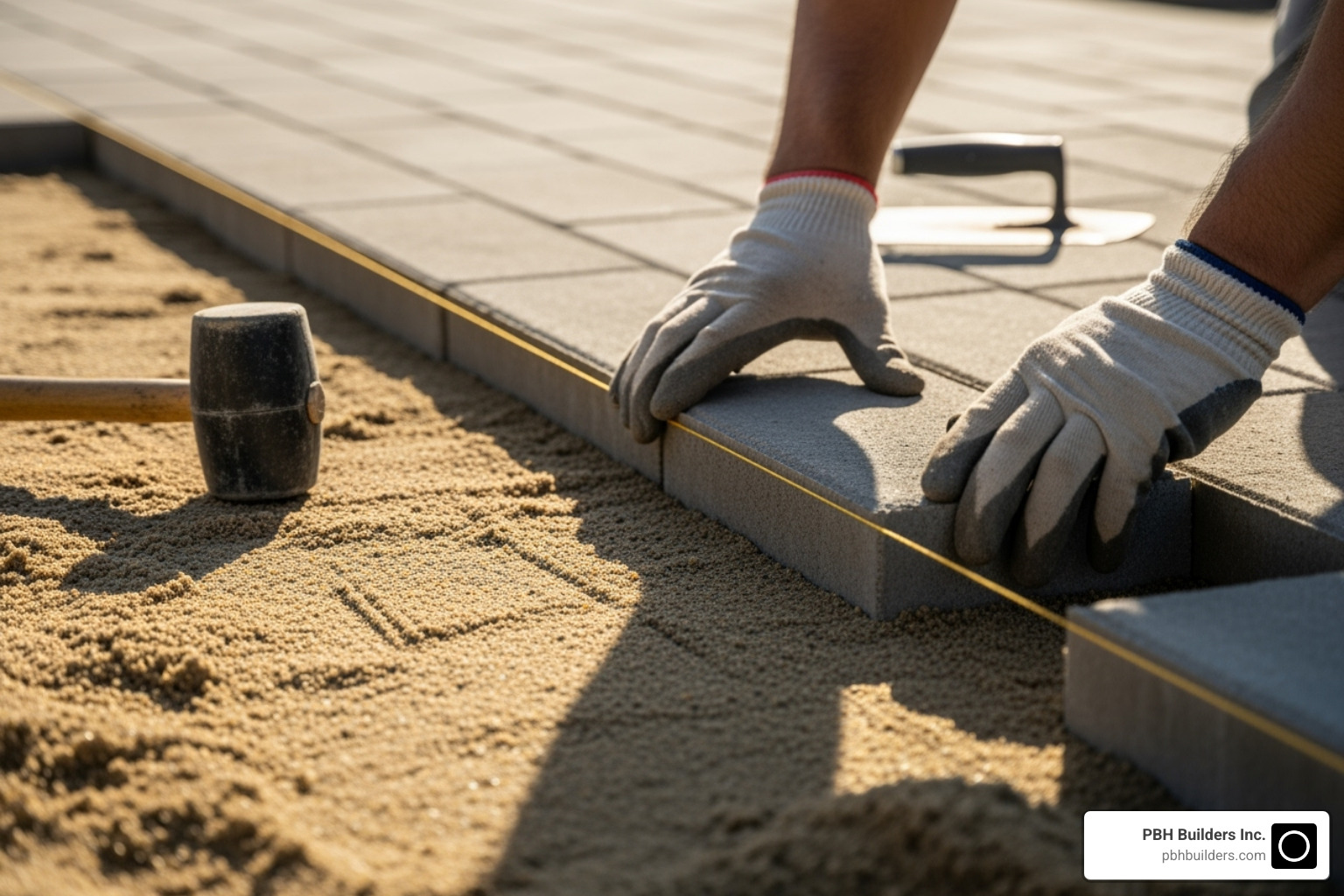
Success starts with meticulous site preparation long before the first paver is laid. This includes excavating to the proper depth, ensuring adequate drainage slope, and installing and compacting a gravel base. A carefully screeded sand layer provides the final leveling bed. Without this foundation, even a perfect herringbone paver pattern will eventually fail.
Laying Out Your Pattern: A Step-by-Step Guide
The secret to a flawless pattern is the setup. Key steps include:
- Establish a Baseline: A perfectly straight reference line is critical to prevent the pattern from drifting.
- Use String Lines: Taut lines stretched across the area serve as constant guides to keep courses aligned. Paving experts at PavingExpert.com recommend checking against these lines frequently.
- Start Correctly: The initial V-shape (for 45-degree) or L-shape (for 90-degree) must be placed precisely along the baseline to anchor the entire pattern.
- Check Alignment: Use a rubber mallet to make minor adjustments, ensuring tight joints and maintaining the pattern’s integrity.
- Cut Edge Pavers: After laying all full pavers, mark and cut the edge pieces to fit snugly. This requires more intricate cuts for a 45-degree pattern but results in a professional finish.
Tools and Equipment for the Job
Professional installation requires professional-grade tools, including a plate compactor for the base and pavers, a wet masonry saw for precise cuts, a rubber mallet, a level, screed rails, and taut string lines. Crucially, paver edge restraints are installed around the perimeter to prevent horizontal movement and contain the entire installation.
Incorporating Borders and Accents
Borders provide both structural containment and aesthetic framing for your herringbone paver pattern. A soldier course border, where pavers are set on their side in concrete, creates a robust edge restraint that prevents spreading.
Borders also define outdoor spaces and can make the main pattern pop, especially when using a contrasting color. Accent bands or different patterns can be incorporated to add personality without compromising structural integrity. These finishing touches, as seen in our custom paver work, are what lift a good installation to an exceptional one.
Frequently Asked Questions about Paver Patterns
We’ve helped countless San Diego homeowners with paver installations, and the same questions often arise, especially regarding the herringbone paver pattern. Here are straightforward answers to the most common ones.
Which herringbone angle is better for driveways?
For driveways, we almost always recommend the 45-degree herringbone paver pattern. Its diagonal orientation provides superior load distribution, dispersing the weight of vehicles across multiple pavers. This makes the surface incredibly stable and resistant to the stresses of turning tires and heavy loads. While the 90-degree pattern is also strong, the 45-degree angle has a distinct engineering advantage for maximum durability under vehicle traffic.
What are the most common mistakes when installing a herringbone pattern?
The herringbone paver pattern is unforgiving of shortcuts. The most common and costly mistakes are:
- Incorrect Baseline: Failing to establish a perfectly straight and square starting line will cause the entire pattern to drift, resulting in crooked lines and uneven gaps.
- Inaccurate Edge Cuts: Sloppy cuts around the perimeter look unprofessional and create instability at the edges.
- Insufficient Base Preparation: Skimping on excavation, compaction, or the depth of the gravel and sand base will lead to sinking, shifting, and an uneven surface over time.
- Neglecting Edge Restraints: Without a proper border to contain the pavers, the entire installation can spread apart, losing its tight interlock.
Professional installation avoids these issues, ensuring a long-lasting result.
Can you lay pavers directly on dirt?
Absolutely not. Laying pavers directly on dirt is a recipe for failure. Dirt is unstable, compresses unevenly, and shifts with moisture, causing pavers to sink and become tripping hazards. It also leads to poor drainage and encourages weed growth through the joints.
A proper installation requires an engineered foundation: a compacted subgrade (soil), a thick layer of compacted gravel for support and drainage, and a thin sand setting bed to level the pavers. This multi-layered approach is what ensures your herringbone paver pattern remains stable and beautiful for decades.
Lift Your San Diego Hardscape
Your outdoor space should be an extension of your home—a place for relaxation and making memories. At PBH Builders Inc., we don’t just lay pavers; we create environments where life happens.
The herringbone paver pattern embodies what we value in hardscaping: timeless beauty, engineered durability, and stunning visual impact. Whether for a driveway echoing Roman ingenuity or a patio that becomes your favorite room, this pattern delivers.
Our team has perfected its craft in San Diego’s unique climate. We understand that a beautiful herringbone paver pattern is only as good as the foundation beneath it. That’s why we never cut corners on site preparation, base layers, or drainage, ensuring your investment lasts for decades.
Ready to transform your outdoor space? Explore our portfolio of paver projects to see the quality and craftsmanship we bring to every property. Let’s make your dream outdoor space a reality.